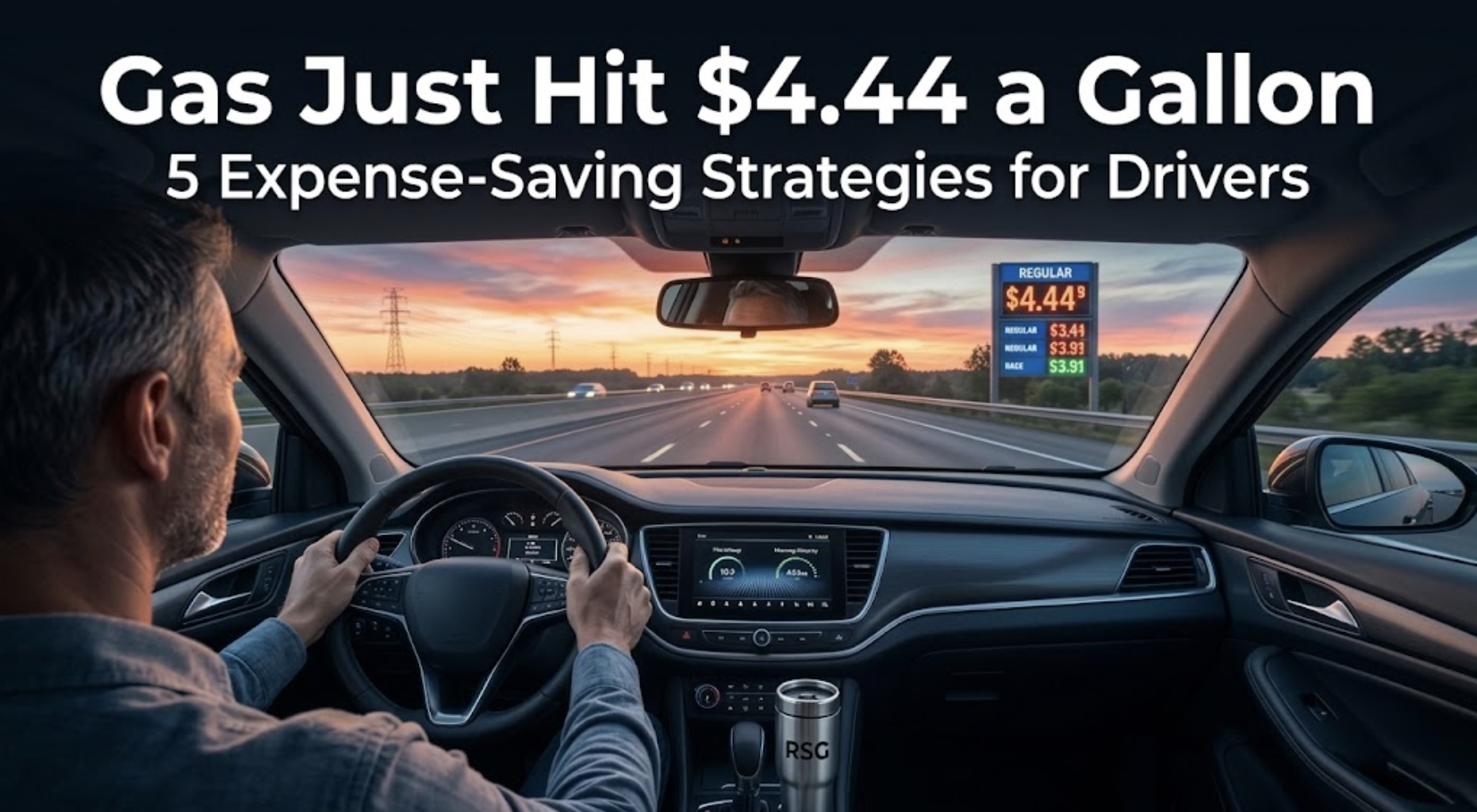
The national average for a gallon of regular gas hit $4.44 this month, up almost forty percent from a year ago. A supply disruption at the Strait of Hormuz choked off crude coming out of the Middle East, and refiners are charging more than double their normal margin just to turn that pricier crude into gas. None of that is something a driver can control.
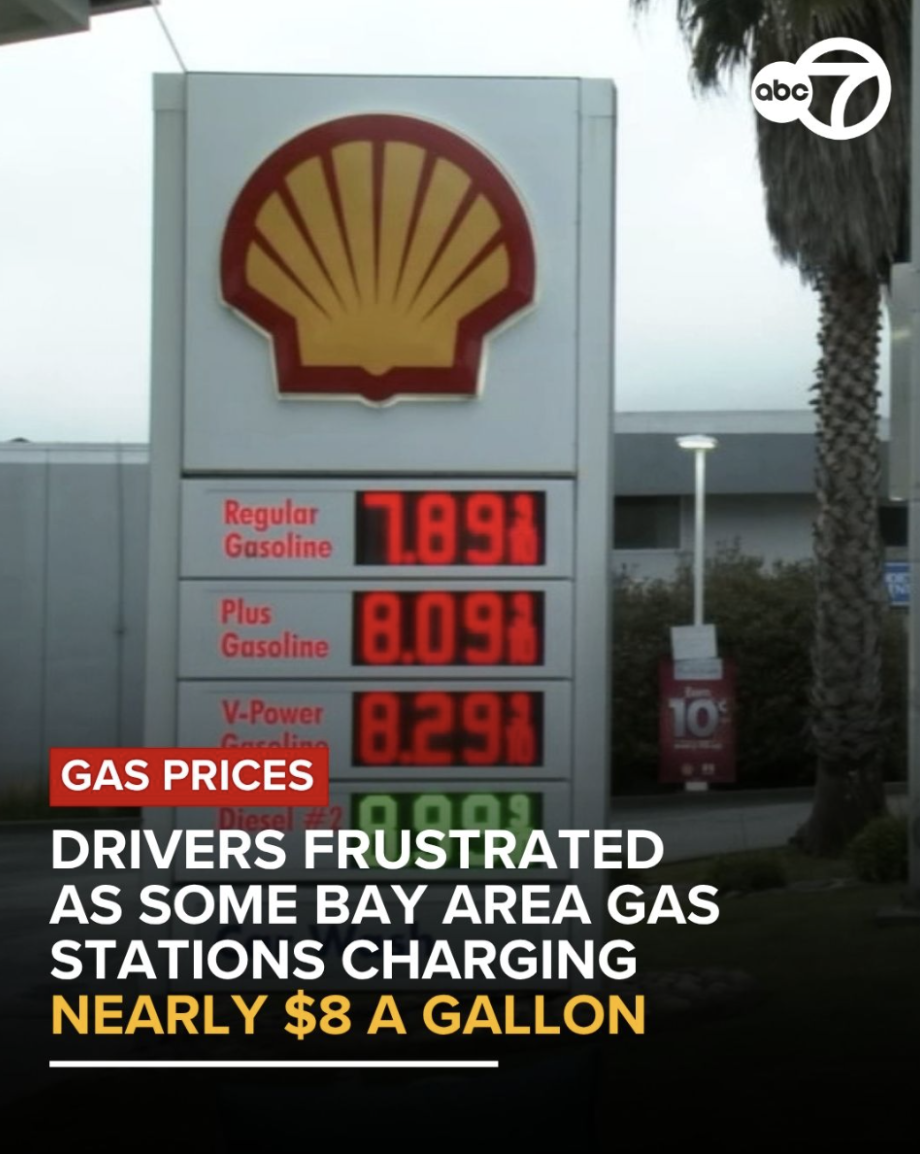
And that $4.44 average does not even tell the real story in some markets. ABC7 reported Bay Area stations charging close to eight dollars a gallon this month, nearly double the national number. That is exactly the kind of market I am about to drive back into.
What you can control is how much of that spike actually eats into your margin. I have been through gas spikes before, but never one that moved this fast, and I am not just sitting here absorbing it.
Here are five strategies I am using to keep gas from wrecking a good week behind the wheel.
1 Switch to a More Fuel-Efficient Vehicle, a Hybrid
The math is simple. A hybrid burns a third less gas than a standard sedan doing the same rideshare miles, and at four dollars and change a gallon, that difference shows up in your bank account every single week, not just on paper.
I am not talking about a car that only makes sense in theory. I have driven a hybrid through most of my career behind the wheel. The first one was a rented Toyota Prius, and it got fifty miles to the gallon on a good week.
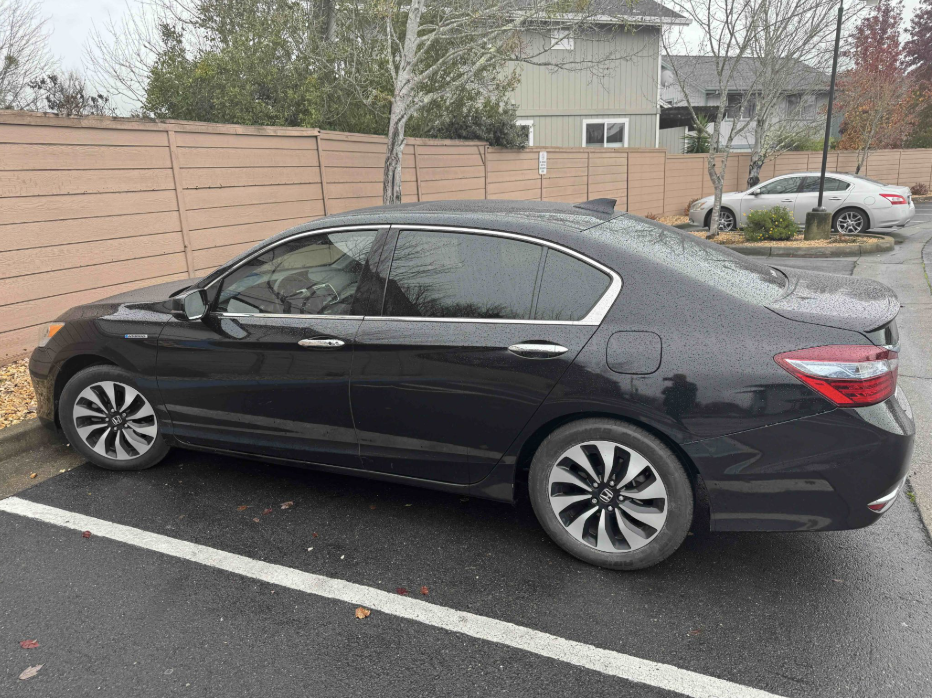
Later I bought my own Honda Accord Hybrid, closer to forty miles to the gallon, still well ahead of anything gas-only. When prices get this expensive, those extra miles per gallon are not a nice-to-have. They are the difference between a good week and a bad one. Hybrid resale values have held up well too, so trading into one is closer to swapping one asset for a better one than it is to taking on a new expense.

2 Or Go Full EV
A hybrid cuts your gas bill. An EV eliminates it. This October, back in San Francisco, I am renting a Tesla through Uber’s own EV program instead of buying anything. At the end of that week, I am going to run the actual numbers, what I would have paid in gas for those same miles against what I actually paid in electricity, and publish the real comparison, not a guess.
The data already points one direction. EV drivers typically spend forty to 65% less on fuel each year than a comparable gas car, and for a high-mileage driver running rideshare full time, that gap only gets bigger.
I want my own numbers behind that, not just someone else’s study. Charging takes planning that fueling never did, finding the right stations, working charge time into your schedule, but that planning is a one-time cost. The gas spike is not.
3 Research the Cheapest Gas in Your Area
I learned this lesson the hard way when gas prices spiked at the start of the war in Ukraine. I almost joined Costco just for the gas prices. Then I checked Safeway, closer to my house, nearly as cheap, and the line was a fraction of the length.
That is the whole point. Do the research before you commit to a membership or a habit. Pull up GasBuddy, compare what is actually near you, and let the real numbers decide instead of assuming the big warehouse club is automatically the best deal.
Build your fill-up stops into your driving schedule too, so you are not burning paid time and extra miles chasing a discount. Fill up on your way to a spot you were already driving toward, not as a separate errand that eats into your shift.
4 Use Uber and Lyft’s Own Fuel Savings Programs
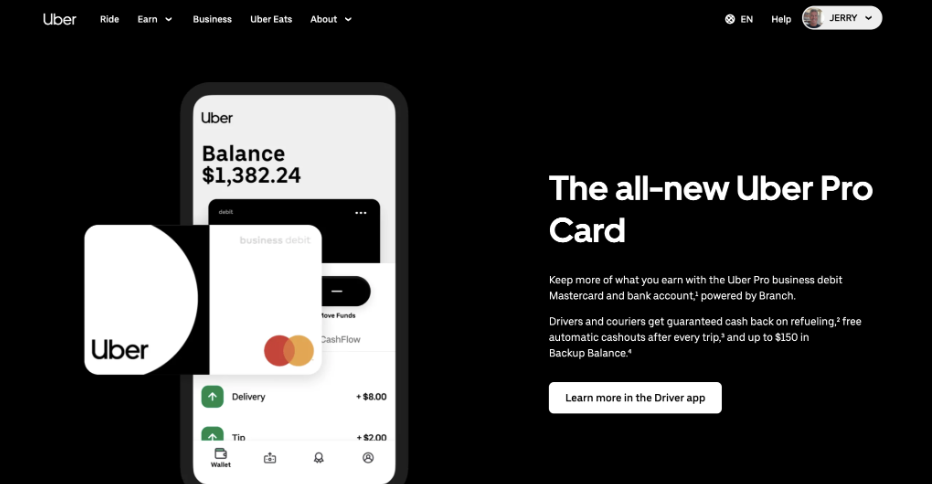
If you are logging real miles and trips as a full-time driver, you are usually entitled to some kind of gas discount through the platform. Do not just assume it is the best deal available to you. Run the math. Compare what you pay with the discount against what you would pay at your cheapest local station without it.
Sometimes the platform program wins. Sometimes your own research from the last section wins instead. Check both before you settle into a routine. It takes ten minutes to enroll and compare, and it keeps paying you back for as long as prices stay high. Do not wait for a notification to remind you, because in my experience it never comes.

5 Hedge Gas Price Risk with Kalshi
I will say upfront, I do not gamble, and hedging with Kalshi is closer to that world than I am usually comfortable with. But some of you might be.
Here is the basic idea. Kalshi actually listed a U.S. gas price contract this month, and traders were pricing roughly a seventy percent chance of a new yearly high before the year is out.
Say you take a position betting gas stays elevated through December. If prices do keep climbing, you are paying more at the pump, but your position pays out and covers the difference. If prices ease instead, you are saving on gas, but you paid a premium for the position that is not coming back.
Either way, you knew your number going in instead of just hoping. It is more complicated than anything else on this list, and it carries real risk. I am not telling you to do it. I am telling you it exists, and some drivers who already think this way will want to know it is an option.

Key Takeaways
A 40% increase in gas prices is serious. It calls for a serious response. But panic is not a response. It is a reaction, and there is a difference.
Think about the owl. It does not panic when conditions change. It watches. It takes in everything around it, calmly, without flinching, until it has enough information. Then it acts. Decisively. No hesitation, no wasted motion, no wondering later if it should have moved sooner. That is the response gas at four dollars and change calls for. Not fear. Not paralysis. Clear eyes, then a clear decision.
You do have options, and that is the real takeaway here. Look at your numbers the way the owl looks at the field below it, without emotion, without denial. Pick the strategy, or the two strategies, that fit your situation. Then move on them. We are not victims in this business. We are drivers. We live on our wits, and we adapt to whatever situation gets put in front of us. Let’s get to it.
Be safe out there.