You may have noticed that some days you’re hustling just as hard as always, but your earnings come out lower than expected.
It’s tempting to chalk it up to “slow days” or “bad luck,” but the truth is more concerning: the algorithms running behind the scenes at Uber and Lyft are quietly reshaping who gets trips and when, often to the disadvantage of human drivers.
Understanding how these systems operate is key to protecting your earnings in today’s increasingly automated rideshare ecosystem.

AI is Controlling the Marketplace
Modern rideshare platforms rely heavily on artificial intelligence to manage supply and demand. Algorithms now determine not just pricing, but which drivers are offered which trips, in what order, and at what time. These systems are designed to optimize platform profitability and rider experience, but they don’t prioritize driver earnings.
Dynamic pricing, for example, adjusts fares based on real-time demand. While surge multipliers no longer exist, the algorithms can smooth out price spikes by redistributing rides to avoid high-paying areas becoming too saturated. In practical terms, this means you may no longer see the lucrative surge fares you used to count on, even during peak hours.
Invisible trip allocation also plays a role. The AI decides which driver receives each ride based on efficiency, historical data, and platform objectives. That means two drivers working the same area at the same time could earn very differently, depending solely on how the system “views” them, often in ways that aren’t transparent to the driver.
Why Trips Per Hour Are Dropping
Gridwise data from 2026 shows that trips per hour for human drivers have declined significantly in major markets.
In cities like Los Angeles and San Francisco, drivers completed roughly 5–10% fewer trips per hour compared to just two years ago. A large part of this decline isn’t due to traffic or rider demand; it’s the AI prioritizing certain trips and routes to optimize platform efficiency.
Some examples include:
- Airport Runs: Algorithms often send AVs or high-rated drivers to these trips first, leaving others with longer, less profitable rides.
- Dynamic Pickup Assignment: Drivers may receive fewer rides in high-demand zones because the AI spreads trips across the fleet to prevent rider wait times from spiking.
- Hidden Incentives: Bonuses or trip challenges are strategically assigned to maximize completion rates rather than to evenly distribute earnings.
The result? Even experienced drivers find that their “typical” day is becoming less predictable, and income can fluctuate more than ever.
Smart Routing Isn’t Always in Your Favor
Routing algorithms also impact driver earnings.
Platforms analyze historical traffic patterns and rider behavior to assign the “most efficient” route, which often benefits the platform’s bottom line more than the driver’s. While a route may be faster overall, it may bypass areas with higher surge pricing or potential extra pickups.
Additionally, these AI systems may reassign rides mid-trip, redirecting drivers to lower-demand areas to balance coverage. For drivers, this can feel like lost opportunities and unexplained downtime, which directly reduces hourly earnings.
The Hidden Economics
It’s important to understand the economics behind these algorithmic decisions.
Uber and Lyft’s AI is designed to maximize platform revenue and improve customer experience, often at the expense of driver income. While the platform benefits from more efficient dispatching, drivers are left with less control over trip selection, pricing, and earning potential.
Consider this: even a 5% reduction in trips per hour can cost a full-time driver thousands of dollars a year. When combined with reduced surge opportunities and AI-driven routing changes, the impact on annual earnings can be significant.
How Drivers Can Fight Back
While you can’t directly override the platform’s AI, you can work strategically to protect earnings:
- Track Incentives Closely: Pay attention to bonuses, quest trips, and hourly guarantees. Platforms often design these to guide driver behavior in ways that maximize efficiency, but savvy drivers can use them to their advantage.
- Work High-Demand Windows: AI redistributes trips to avoid overload, but focusing on consistently busy times like airport arrivals, weekends, or local events still tends to yield higher earnings.
- Position in Prime Zones: Learn which neighborhoods and pickup points the algorithm favors. Being in the right location at the right time can increase the chance of being assigned lucrative rides.
- Adapt Flexibly: Platforms reward availability and responsiveness. Being quick to accept rides can sometimes overcome AI biases that penalize slow or selective drivers.
- Monitor Data Yourself: Keep track of trips per hour, acceptance rates, and earnings. Having personal data helps you identify patterns, recognize algorithmic shifts, and adjust your strategy proactively.
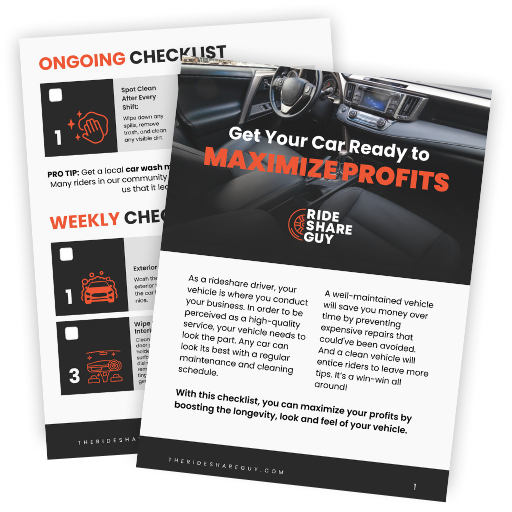
FREE CHECKLIST
Get Your Car Ready to Maximize Profits
My Take
The truth is that the AI running Uber and Lyft isn’t intentionally “against” drivers, but its goal is clear: efficiency and profit for the platform.
Human drivers will always have some unpredictability in their daily earnings, but as these algorithms get smarter, that unpredictability can grow, and small reductions in productivity can translate to substantial lost income over time.
Drivers who understand how algorithms affect trip assignment, dynamic pricing, and routing are better positioned to adapt and maximize earnings. By strategically choosing when and where to work, tracking incentives, and staying alert to system patterns, human drivers can maintain an edge at least until the AI evolves further.
The reality is that the algorithm is silently reshaping the marketplace, but knowledge is power. Understanding how it works is the first step in reclaiming control over your earnings.
Email me your comments to sergio@therideshareguy.com
Sergio@RSG