Uber’s biggest layoffs at its corporate office since the pandemic land as it bets on robotaxis. Uber pulls out of Nigeria and Uganda entirely. Robotaxis start carrying passengers in London. A new rideshare company from Vietnam is coming to the United States. A two-time Uber corporate casualty tells us what the cuts look like from the inside. We break it all down for you.
Uber Cuts 3,300 Jobs, As It Invests $10B Into Robotaxis
SOURCE – Reuters
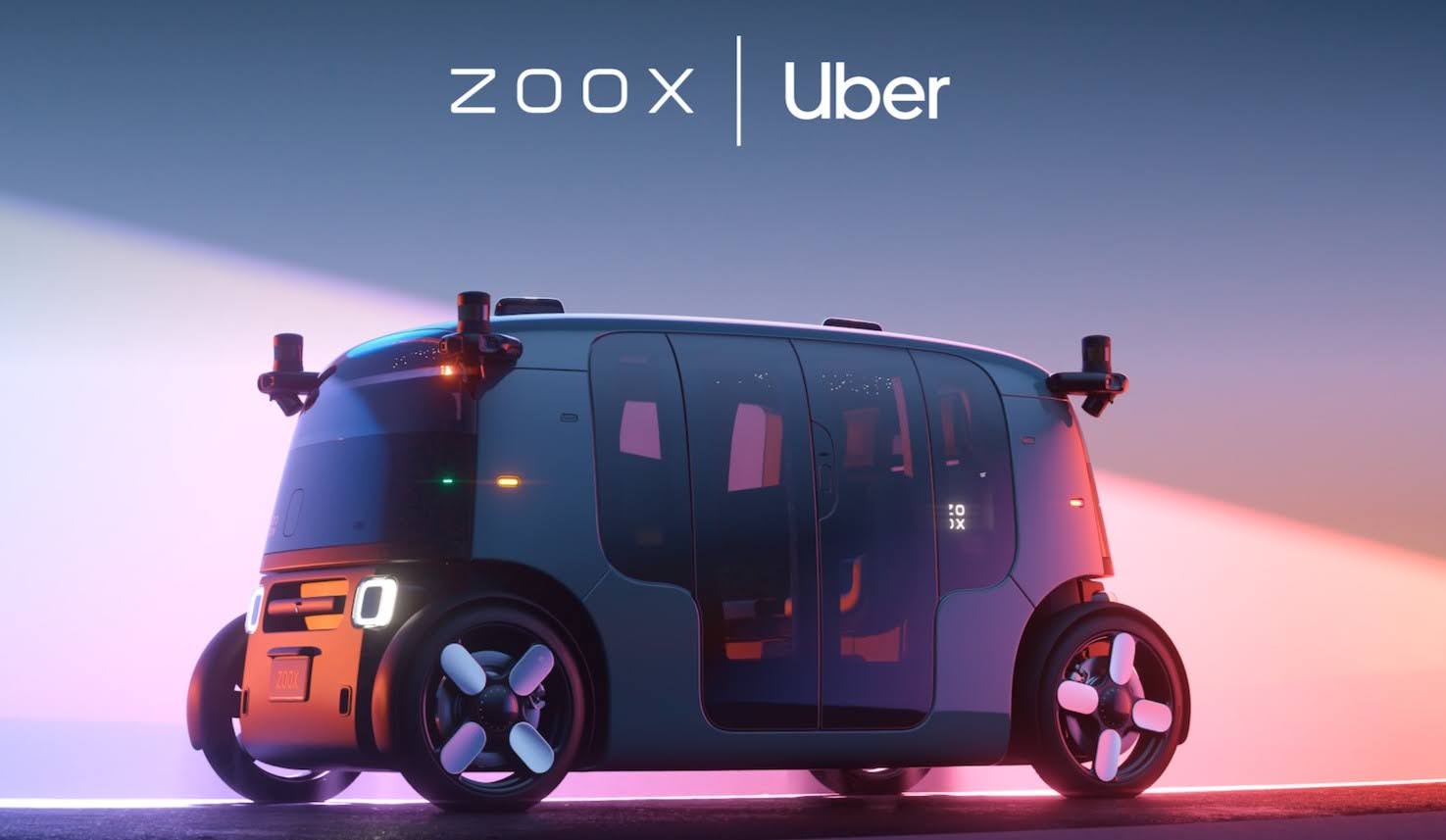
Uber is cutting about 3,300 jobs, roughly 10% of its workforce, its deepest corporate cuts since the 2020 pandemic. CEO Dara Khosrowshahi framed it as flattening management layers to speed up decisions, and pointedly did not blame AI.
- The cuts hit corporate staff, not drivers, but they signal where Uber sees its future. Concurrently, the Financial Times reported Uber would invest $10 billion into robotaxis.
- Uber will reduce employees seven or more layers below the CEO by 20%, cut teams with only one or two direct reports by nearly half, and limit fully remote roles to about 1% of staff.
- Analysts tie the reshuffle directly to Uber’s ambition to become a robotaxi power house. As one Uber investor put it, scaling a robotaxi business needs a different kind of employee than one built around human drivers.
Uber Exits Nigeria After 12 Years, and Pulls Out of Uganda Too
SOURCE – Reuters
Uber shut down its Nigeria operation on September 2, ending a 12-year run in Africa’s most populous country, and confirmed it has also stopped operating in Uganda. The company cited a business review without giving specifics, but the market has been squeezed by rising fuel costs, inflation, and currency swings that hit both drivers and platforms.
- Uber launched in Lagos in 2014 and expanded across the country as demand for app-based rides grew. Its help center stays open until September 23 for account issues.
- The company did not say how many drivers or riders are affected, or whether any assets will be sold.
- The retreat is likely due to fragile rideshare economics in high-inflation markets, where operating costs can outrun what drivers and platforms are able to absorb.
Robotaxis Start Carrying Passengers on London’s Streets

SOURCE – The New York Times
Uber and British startup Wayve began testing autonomous cars on London’s streets this week, the first time robotaxis have carried passengers in one of the world’s largest ride-hailing markets. Fifteen cars will be available through Uber’s app during a safety-testing period, each with a human safety driver ready to take over. Analysts say wider deployment may not come until 2027 or 2028.
- London is shaping up as a major AV battleground, pitting American, European, and Chinese technology against each other. Waymo is testing without passengers, and Baidu is running early tests with Lyft’s European arm, Freenow.
- The jobs question is front and center. London has more than 120,000 taxi and private-hire drivers, and one analyst said regulators are moving cautiously partly because of what large-scale automation could mean for those jobs.
- Drivers are skeptical. One black cab driver described a jam caused by two autonomous cars stuck face to face on a one-lane road until safety drivers stepped in, and predicted the technology will be a novelty in London.
A VinFast-Backed Rival From Vietnam Is Heading for U.S. Roads
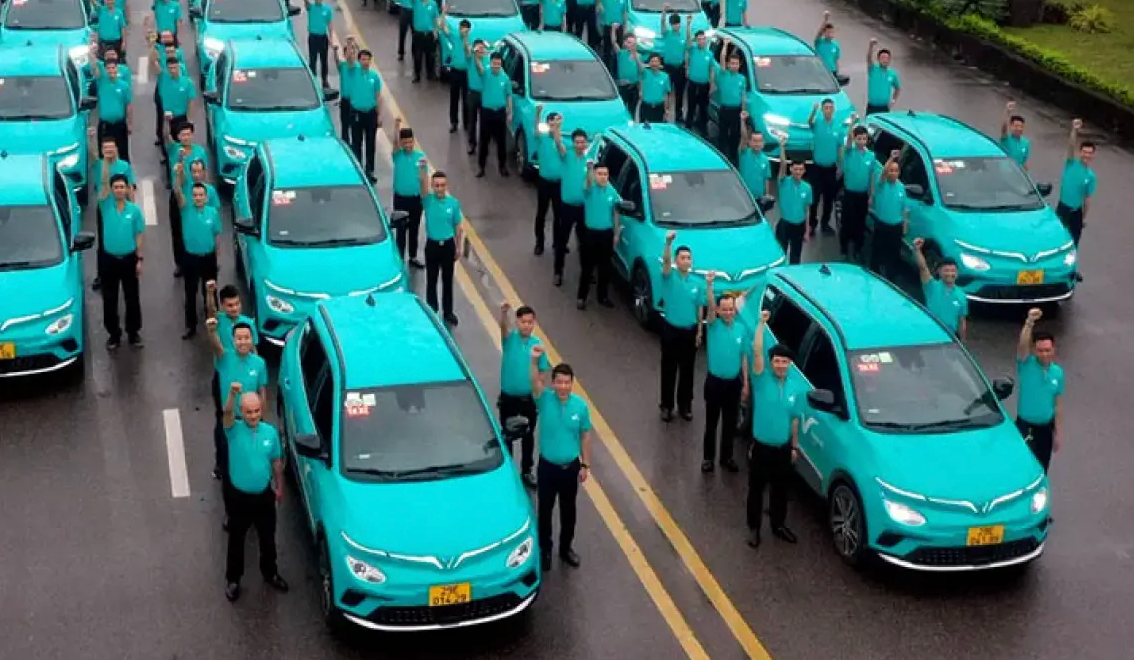
SOURCE – Investor’s Business Daily
Vietnamese ride-hailing company GSM plans to launch in the U.S., Sweden, and the Netherlands by the end of the year, adding a new competitor to a market Uber and Lyft already dominate. GSM is backed by automaker VinFast, which supplies all of its vehicles, and it runs a very different model from the U.S. incumbents.
- Instead of connecting independent drivers with riders, GSM buys cars from VinFast at a discount and employs drivers directly. It plans to buy 1 million VinFast cars between 2026 and 2030.
- The timing is aggressive. GSM is entering as robotaxi services from Alphabet, Amazon, and Tesla start competing with Uber and Lyft, all still at smaller scale but expanding.
- VinFast’s last U.S. push stumbled. Its 2023 attempt to sell the VF8 SUV drew weak sales, and a planned North Carolina factory fell apart to the point that the state sued to reclaim the site.
Laid Off From Uber Twice: What the Cuts Look Like From the Inside

SOURCE –Business Insider
A former Uber employee caught in this week’s cuts, who had returned only four months earlier after a 2023 layoff, described the experience in a first-person account. Rehired in May to an evaluations role on the generative AI team, they were let go again along with their manager and much of their team.
- The severance was substantial: 21 weeks of pay based on tenure, plus two months of garden leave with salary, vesting equity, and health benefits through November.
- They rejected the CEO’s management-layers explanation and pointed at AI instead. Their read: Uber sees that AI products can replace a lot of the work and make more money with fewer people.
- The account puts a human face on the corporate cuts, and on a tech job market this worker calls brutal for anyone laid off right now.
QUICK HITS
- NYC rideshare drivers are fighting for expanded rest parking spots and restroom access. – Brooklyn Eagle
- Atlanta rideshare drivers rally around protections for human drivers against robotaxis. – Yahoo Finance
- Want to learn more about the robotaxi industry? Subscribe to The Driverless Digest, our new newsletter and podcast dedicated to the future of autonomous vehicles.
Must Listen Or Watch RSG Content
Here are this week’s featured podcast episode and YouTube videos:
- RSG269: This $12K EV Could Change Uber Driving Forever With Bingo Tech
- What’s the BIGGEST Tip You’ve Ever Received?
- Uber Driver Gets Pulled Into a POLICE CHASE
- Uber Changed the Wait Time/Cancellation Screen
- Make sure you Subscribe so you don’t miss out on future conversations and interviews!