Autonomous vehicles (AVs), once the stuff of sci-fi speculation, are now a tangible reality in select U.S. cities.
According to the 2026 Autonomous Vehicle Impact Report from Gridwise Analytics, the commercial deployment of AV fleets is already beginning to influence traditional rideshare markets in measurable ways.
For human drivers, this isn’t a distant threat; it’s a developing market dynamic that deserves careful attention.
AVs Are Not Just Coming – They’re Already Here
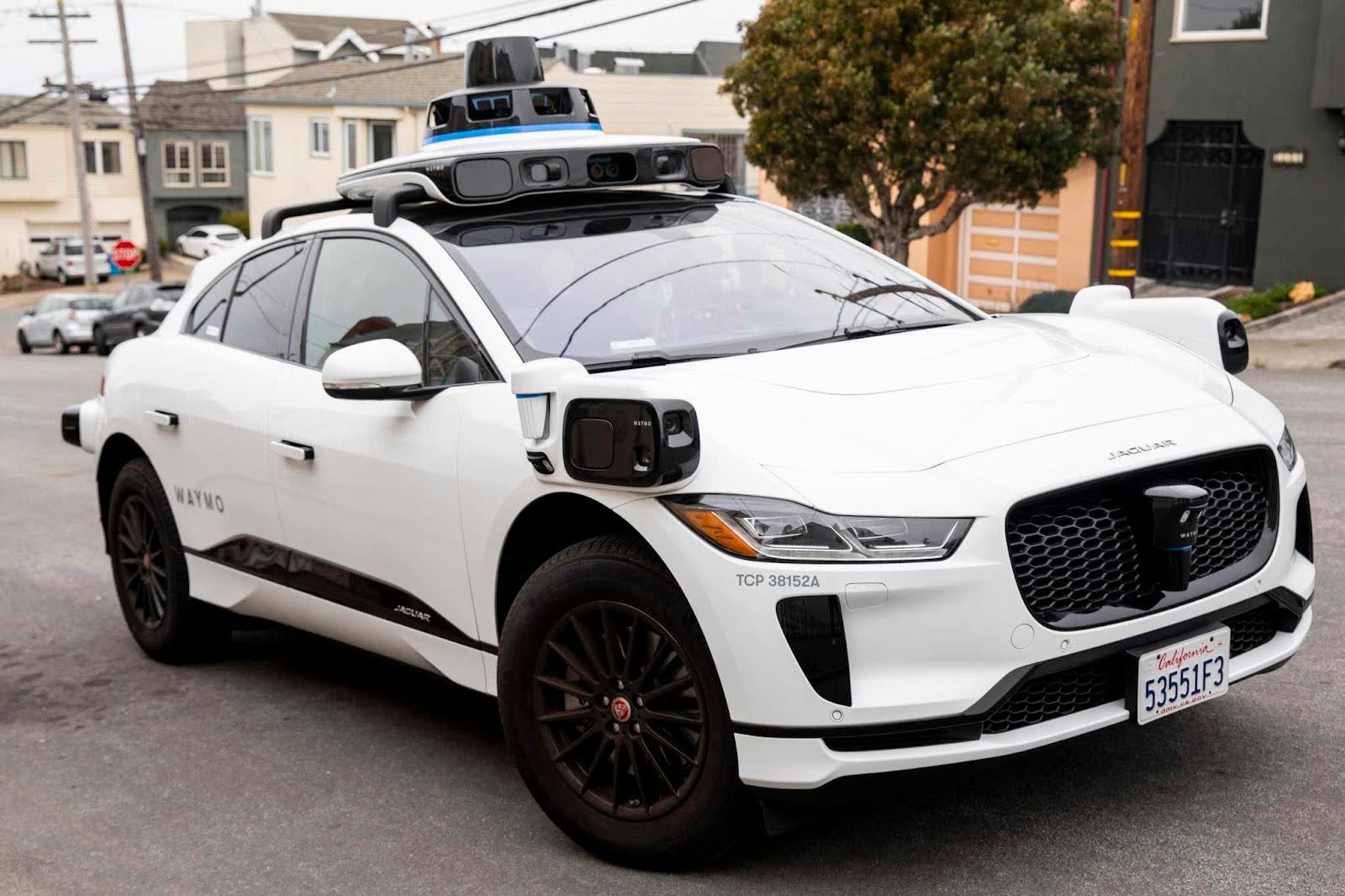
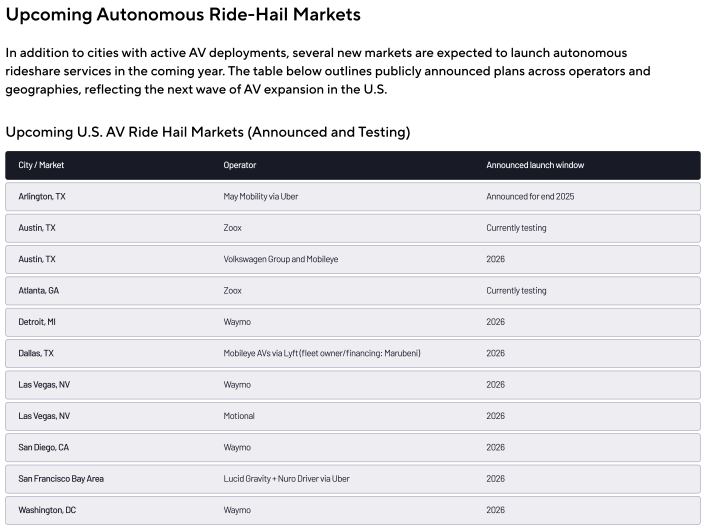
AVs are operating commercially today in cities like Atlanta, Austin, Los Angeles, Phoenix, and San Francisco. These markets provide early indicators of how autonomous services from pilot programs to limited public robotaxi services interact with existing rideshare ecosystems.
Gridwise’s report analyzes proprietary driver data from Q1 2024 through Q4 2025, comparing AV-active markets to nationwide trends in driver productivity and earnings.
The big question: Are autonomous vehicles actually impacting human rideshare drivers yet? The short answer from the data is yes, but the full story is nuanced.

Trips per Hour Are Falling Faster in AV Cities
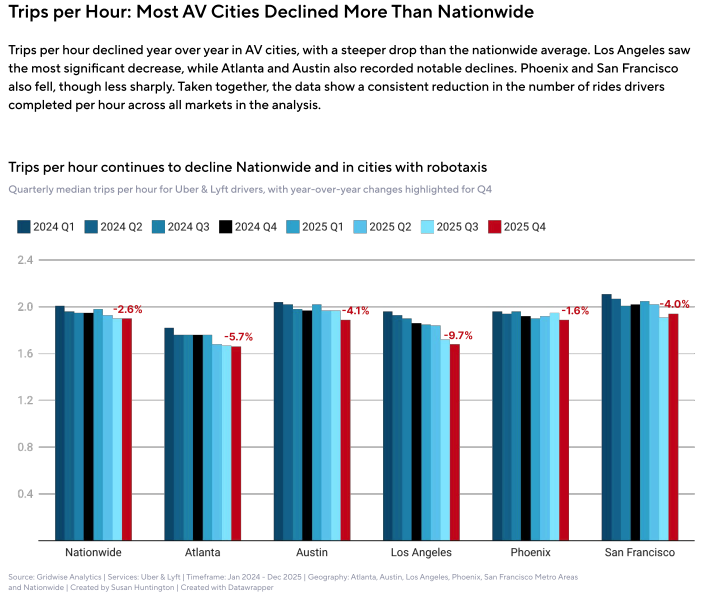
One of the clearest signals emerging from the report is that human rideshare drivers in markets with active AV deployments are experiencing steeper declines in trips per hour than the rest of the country.
Gridwise found that in Q4 2025, trips per hour fell by approximately 5.3% in AV markets, compared with a 2.6% decline nationwide. In Los Angeles, the decline was especially pronounced, nearing a 10% year-over-year drop.
This metric is important because trips per hour are a proxy for driver productivity, essentially how much work a driver can accomplish in a given shift. A larger drop suggests that demand is being siphoned off, either by reduced trip volumes or increased competition for the remaining rides.
Earnings Are Taking a Hit in Some Cities
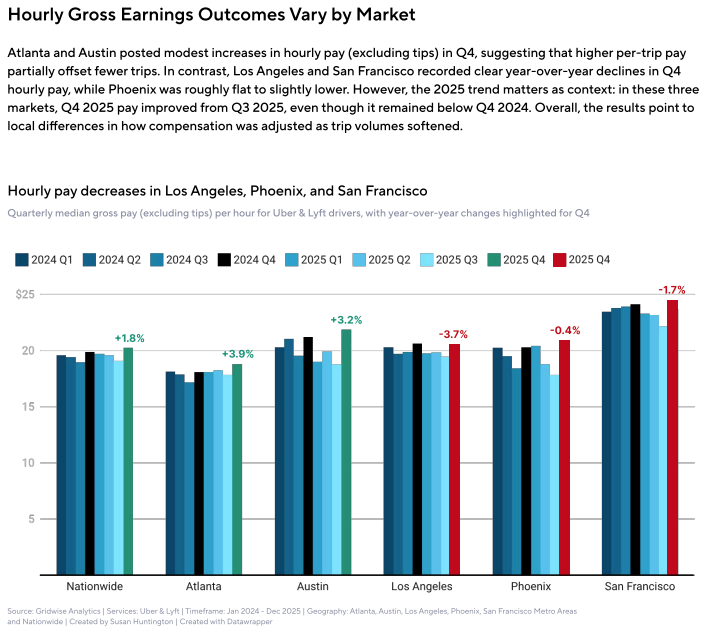
The productivity declines seen in AV-active markets are also showing up in driver earnings. While the national average hourly gross pay for drivers increased slightly (around +1.8%), several AV markets saw year-over-year earnings declines. Los Angeles experienced about a 3.7% drop, San Francisco saw a 1.7% decrease, and Phoenix reported a small 0.4% decline.
The link between productivity and earnings isn’t surprising: fewer trips per hour, all else equal, usually means fewer dollars in the driver’s pocket. That’s the concern for traditional drivers in markets where autonomous services are filtering into demand pools.
Not All Markets Are Equal
It would be easy to read these early trends as a uniform decline for all human drivers in AV cities, but the report and related analyses suggest a more complex picture. Some AV cities show mixed results for driver utilization: the share of time drivers spend with passengers versus waiting for rides.
In Austin and Phoenix, for example, utilization has shown modest gains despite broader trends.
This underscores an important point: AV impacts aren’t monolithic or evenly distributed.
Variables like local population trends, rideshare demand patterns, tourism cycles, and platform strategy can all tilt outcomes differently from city to city.
Why AVs Affect Rideshare Drivers
So what’s driving these shifts? There are several intertwined factors:
- Increased Supply via Robots: Autonomous fleets add supply to the platform ecosystems that were once exclusively human-driven. Even if AV miles are still a small fraction of total rideshare miles, their presence is diluting demand for human drivers in specific areas.
- Price Competition Pressure: According to projections cited in the Gridwise report, AV profitability at scale likely requires pricing near $1 per mile, significantly lower than average human rideshare fares, which hover closer to $3.25 per mile. That pricing dynamic could create downward pressure on prices and force platforms to push AV services into price-sensitive segments first.
- Shifts in Platform Strategy: Rideshare platforms are constantly optimizing algorithms for supply, demand, and pricing. The presence of AVs adds a new data layer that can affect how these algorithms prioritize ride assignments, surge pricing, and driver incentives in certain geofenced areas.
How Fast Will AVs Overtake Human Drivers?
Despite early impacts, AV vehicles are not poised to replace human rideshare drivers tomorrow. According to S&P Global projections referenced in the report, autonomous services aren’t expected to achieve parity with human-driven rideshare markets until around 2040–2041, a timeline measured in decades, not years.
This suggests that while AVs are affecting micro-dynamics in select markets today, human drivers will remain central to rideshare services for a long time. Drivers and platforms alike should expect gradual shifts, not overnight displacement.

What This Means for Drivers
For drivers in AV-active cities, the message isn’t alarmist, but it’s a wake-up call. Here’s what matters most:
- Monitor local earnings and productivity trends: Market conditions can diverge dramatically from national averages.
- Watch pricing and incentive changes: Adjustments in platform economics may signal broader strategic shifts related to AV deployment.
- Stay adaptable: As AV technology and platform strategies evolve, readiness to shift focus across markets could make a difference in earnings resilience.
The Gridwise report presents early evidence that autonomous tech is beginning to have real economic impacts on human rideshare drivers, but it also shows that human drivers are far from obsolete. The future of rideshare will likely be a hybrid ecosystem with humans and robots serving different segments, prices, and contexts for many years to come.
Understanding these market forces now can give drivers a strategic edge as the autonomous era continues to unfold.

FREE CHECKLIST
Get Your Car Ready to Maximize Profits
My Take
The Gridwise data confirms what many drivers in cities like Los Angeles and San Francisco have already been feeling: something is changing.
Autonomous vehicles may not be replacing drivers overnight, but they are clearly nibbling at the edges of demand. A 5–10% drop in trips per hour might not sound catastrophic on paper, but for a full-time driver, that’s real money.
At the same time, the sky isn’t falling. The timeline to full-scale displacement is still measured in decades, not years. What this report really shows is that we’re entering a hybrid phase where robots compete on simple, repeatable trips while humans still dominate complex, high-touch rides.
The key for drivers is awareness and adaptability. AVs are a long-term shift, not an immediate extinction event, but ignoring the trend would be a mistake.
Email me your comments to sergio@therideshareguy.com
Sergio@RSG