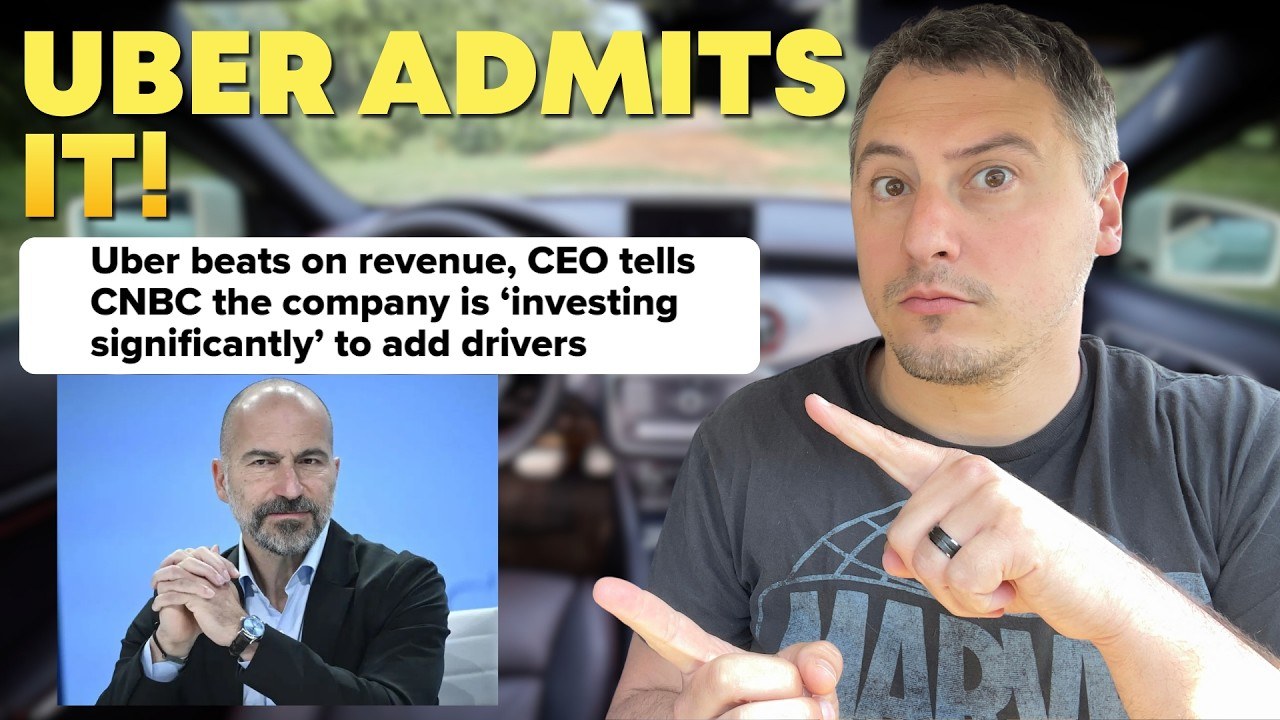
Uber just admitted something that a lot of drivers may actually like. They are facing driver shortages, and now they are spending serious money to get drivers on the road and get drivers to accept more rides. We are talking hundreds of dollars in bonuses, referral offers worth over $1,000, and even incentives to bring back drivers who have not driven for Uber in months or years.
But what about the drivers who are already out there every day? And there is an even bigger question: is Uber actually running short on drivers, or is it running short on drivers willing to accept rides at the rates it is offering? Those are two very different problems.
What Uber Actually Said
Uber just released its third quarter earnings, and CEO Dara acknowledged that driver supply has not been keeping up with demand in several international markets. To be clear, Uber was not announcing a nationwide driver shortage here in the United States. But the company is absolutely experiencing supply problems, particularly in markets like Brazil, India and Canada. Uber says it is responding by investing more money in driver acquisition, retention and getting existing drivers more engaged.
We are also seeing signs of the same thing in the US. Massive referral bonuses, comeback bonuses and a few quests here and there all point to Uber trying to get more drivers to accept more rides. So are we looking at a real driver shortage like we saw from 2020 to 2022? Or is Uber pricing rides too low, with enough drivers out there who simply do not want to accept those offers?
The Bonuses Are Real, but Not Everyone Gets Them
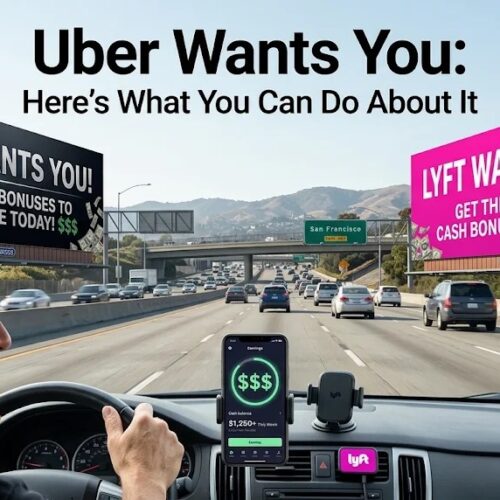
Over the last several weeks we have seen some pretty substantial offers. Business Insider reported that one driver received $525 for completing 45 rides in just a few days, which is nearly $12 extra per trip. We have seen referral bonuses reaching as high as $1,225, and Uber has been sending offers to drivers who have not been active in quite some time. Sergio actually spoke with Business Insider about these bonuses before Uber’s earnings announcement, suggesting that Uber might be having trouble getting enough drivers on the road.
But here is where it gets interesting. Not everybody is getting these bonuses. One driver might receive hundreds of dollars in extra incentives while another driver in the same market barely sees anything. If you have been driving consistently, dealing with traffic, gas prices and maintenance, that is frustrating, especially when somebody who has not driven in months gets an attractive offer to come back. Some active drivers are getting substantial bonuses too, so this is not simply Uber rewarding inactive drivers and ignoring everybody else. It does raise the question of why these incentives are so inconsistent.
Uber’s Whack-a-Mole Incentive Strategy
Dara gave us some insight during the earnings call. He explained that Uber has a pool of incentive money it can shift between riders and drivers. Last year, more of that money went toward rider discounts to encourage people to take more trips. Now Uber is pulling back on rider incentives and redirecting that money toward drivers.
He also explained that Uber uses algorithms trained on billions of trips to figure out where its incentive spending will deliver the greatest return. He framed it around a simple question: if Uber has $1 to spend, where will that dollar produce the biggest return? To me, this starts to look like a giant game of whack-a-mole. Need more drivers in one market? Throw incentives over there. Not enough drivers for a big event? Target that area. Want to bring back drivers who have not been active? Offer them something worth coming back for. When the incentives are no longer needed, Uber shifts the money somewhere else.
So what happens to the drivers who are already driving consistently? If Uber believes you will keep driving without an extra bonus, is there as much reason for the company to offer you one? That is the question I think drivers should be asking. To be fair, Dara did not say Uber is withholding bonuses from reliable drivers, and the company has not explained how every individual offer is determined. But he did confirm that algorithms help decide where the incentive dollars go.
A Shortage of Drivers, or of Drivers Willing to Accept These Rides?
Think about how many drivers have complained about declining pay, lowball upfront offers and trips that are simply not worth taking anymore. What if there are plenty of drivers out there, but more of them are getting selective? Some are online and declining trips because the money does not make sense. Others stop driving entirely because they do not believe it is worth their time. That creates two problems for Uber: not enough drivers on the road, and not enough drivers willing to accept certain trips. Now Uber has to spend additional money to get those rides completed.
That could also explain why Uber is going after both returning drivers and referrals. Veteran drivers have gotten more selective, while new drivers often feel they have to accept everything to keep getting rides. It may also be why Uber now pops up a question when you decline a ride asking why you declined it.
So we may have both a shortage of drivers and a shortage of drivers willing to take rides at the current price. The honest answer is that we do not have enough data to say for sure, and Uber is pointing to genuine supply constraints in several markets. But it is an important distinction when Uber is spending more on incentives rather than broadly increasing trip pay. If you have to keep offering bonuses to convince drivers to take trips, at what point does it make more sense to just make those trips pay better in the first place?

The FTC Angle
The Federal Trade Commission recently launched an inquiry into Uber, Lyft and several other companies over personalized pricing and compensation. One thing the FTC specifically wants to know is whether companies use drivers’ personal information, including their previous acceptance history, to influence how much they are paid.
That does not mean Uber has done anything illegal, and deciding where to offer bonuses is not the same as deciding what an individual driver gets paid for a ride. But when Uber’s CEO is openly discussing algorithms that optimize incentive spending while the FTC is examining how driver data is used to determine compensation, there is a legitimate question here: how much of what Uber knows about your driving habits influences the money it is willing to offer you? I would really like to see that answered. If you want a full breakdown of the FTC inquiry and what it could mean for upfront fares, check out our video “Could the FTC KILL Uber Upfront Fares?”
What This Means for You
First, I would not expect Uber to suddenly raise base pay across the board just because it is facing driver shortages. What we are seeing is Uber targeting incentives where it believes it needs more supply. But that also tells us something important: Uber is willing to spend more money when it needs drivers, so you should pay close attention to the incentives in your market. Check the Opportunities section in your app regularly, and compare what you are offered with what other drivers in your area are getting.
Do not chase a bonus just because it looks good. If Uber offers you $200 to complete a certain number of trips, work out what that adds to each trip, what you are likely to earn, and whether the deadline makes sense. A bonus is not worth much if you end up taking a pile of terrible rides just to hit it. I also would not recommend deliberately stopping driving because you think Uber might send you a comeback bonus, since there is no guarantee that will happen.
Focus on your actual earnings, including your expenses, and only accept trips that make financial sense to you. If Uber really is having trouble getting enough drivers to complete rides, drivers should use that information to make smarter decisions, not to blindly accept more rides.
Key Takeaways
Uber has acknowledged driver supply problems and is moving incentive money toward drivers, but the bonuses are inconsistent and algorithm-driven. Whether this is a true shortage or a shortage of drivers willing to take low-paying rides is still an open question. Compare every incentive to your own numbers before you chase it.
Your Turn
Is Uber actually running out of drivers, or running out of drivers willing to accept low-paying rides? And are you seeing these big bonuses in your market, or are you still getting the same lowball offers with no extra incentives? Are we finally seeing the limits of how little Uber can offer before drivers decide it is just not worth it anymore? Let us know in the comments.
Watch the full video:
Transcribed from a video by Chris Gerace at The Rideshare Guy.
Be Safe Out There.