Uber’s COO says the company is struggling to justify its rising AI costs. Uber keeps building its stake in Delivery Hero. Uber and Lyft drivers in Massachusetts formed the first officially recognized rideshare union. A Waymo ended a ride early and told the passenger to grab an Uber. And Lyft is making a push into corporate travel. We break this all down for you.
Uber COO Says AI Spending Is Hard to Justify
Source: Yahoo Finance
Uber COO Andrew Macdonald said the company is having trouble connecting its rising AI costs to real gains in its consumer products. He said greater token consumption is not translating into a matching rise in useful features for users, and that Uber will increasingly have to weigh those costs against headcount.
- The comments follow Uber CTO Praveen Neppalli Naga’s April disclosure that the company had used up its entire 2026 Claude Code budget just four months into the year, which Macdonald called a “head-exploding moment.”
- Uber said AI coding tools reached 95% monthly adoption among its engineers, with AI agents writing more than one in ten lines of code.
- Uber spent $3.4 billion on R&D in 2025, up 9%, and is slowing hiring to offset its AI investments.
Uber Keeps Building Its Delivery Hero Stake, Now the Largest Shareholder
Source: The Wall Street Journal
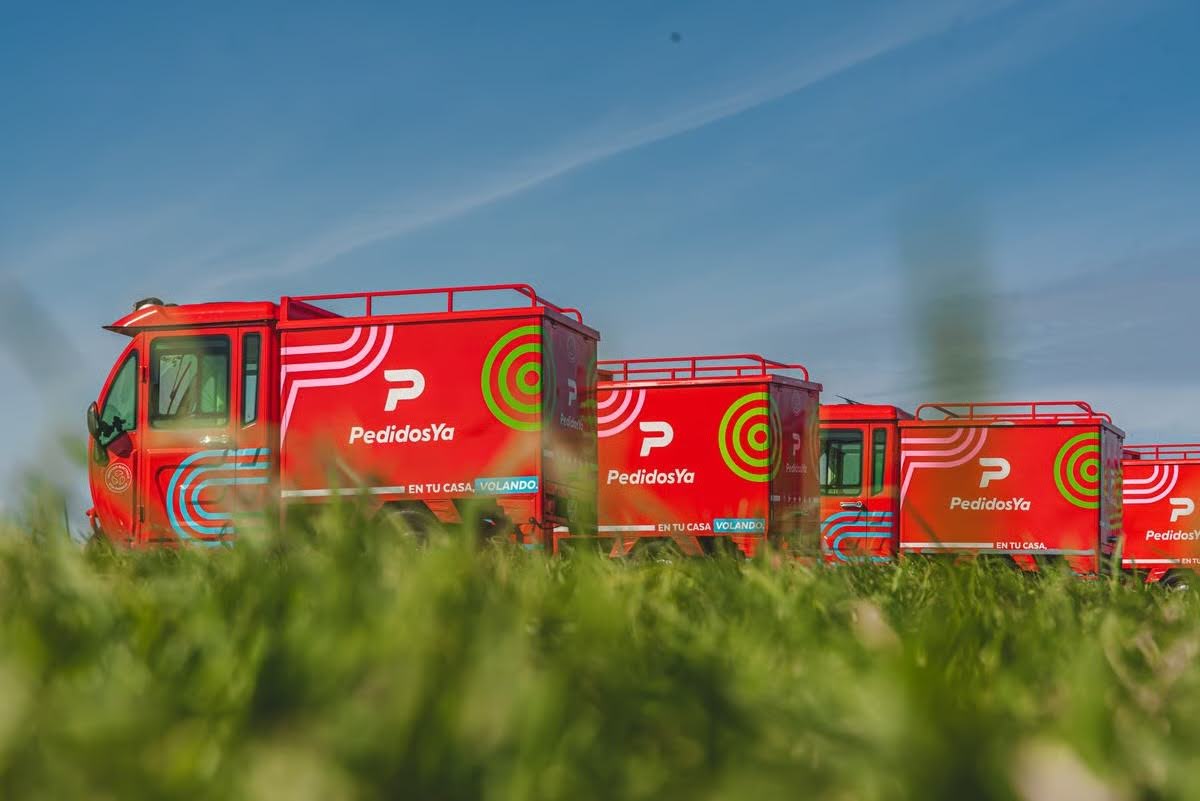
Uber raised its stake in Germany’s Delivery Hero to 36.8% of voting rights, up from 25.1%, days after making a 10 billion euro ($11.6B) takeover approach. Uber holds just under 25% directly and an additional 11.8% through financial contracts. The company said last week that it does not intend to acquire 30% or more of Delivery Hero’s voting rights.
- Delivery Hero said Uber made an indicative takeover proposal to all shareholders valuing the company at 33 euros a share. Shares jumped Monday after closing at 33.59 euros Friday, and the company’s market cap has doubled over the past month.
- Hong Kong-based Aspex Master Fund roughly halved its stake to around 7.56%. Delivery Hero said it remains fully focused on executing its strategic review.
- DoorDash is reported to have approached Delivery Hero investors about buying parts of the business, with a focus on the Middle East platforms Talabat and HungerStation.
Massachusetts Drivers Form the First US Rideshare Union
Source: Reuters
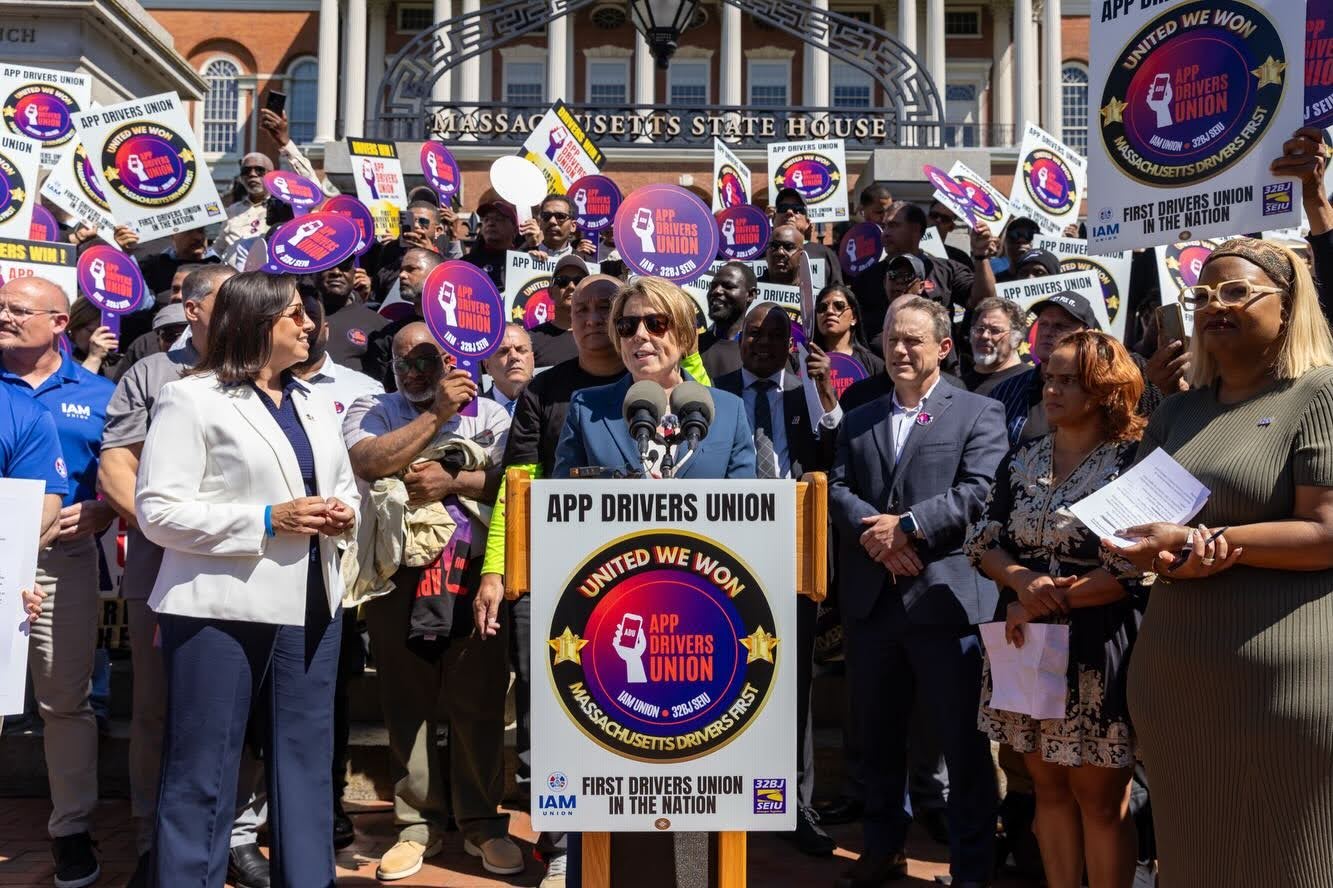
Uber and Lyft drivers in Massachusetts have formed what state officials and labor leaders call the first officially recognized union representing app-based gig workers in the U.S. The App Drivers Union received certification from the state Department of Labor Relations on Friday to represent nearly 70,000 rideshare drivers who work as independent contractors. The certification followed a November 2024 ballot measure that created a framework for drivers to organize and bargain collectively over pay and benefits.
- Rideshare drivers are not covered by the National Labor Relations Act, which applies only to traditional employees. Under the state law, drivers could form a union after collecting signatures from at least 25% of active drivers in Massachusetts.
- The union is backed by 32BJ SEIU and the International Association of Machinists and Aerospace Workers. California passed a similar law in October, and comparable legislation is pending in Illinois.
- Lyft said it is committed to engaging in good faith as the process moves forward, and Uber did not respond to a request for comment. In 2024, the state attorney general secured a settlement requiring both companies to adopt a $32.50 hourly minimum pay standard and pay $175 million.
A Waymo Ended a Ride Early and Told the Rider to Get an Uber
Source: Business Insider
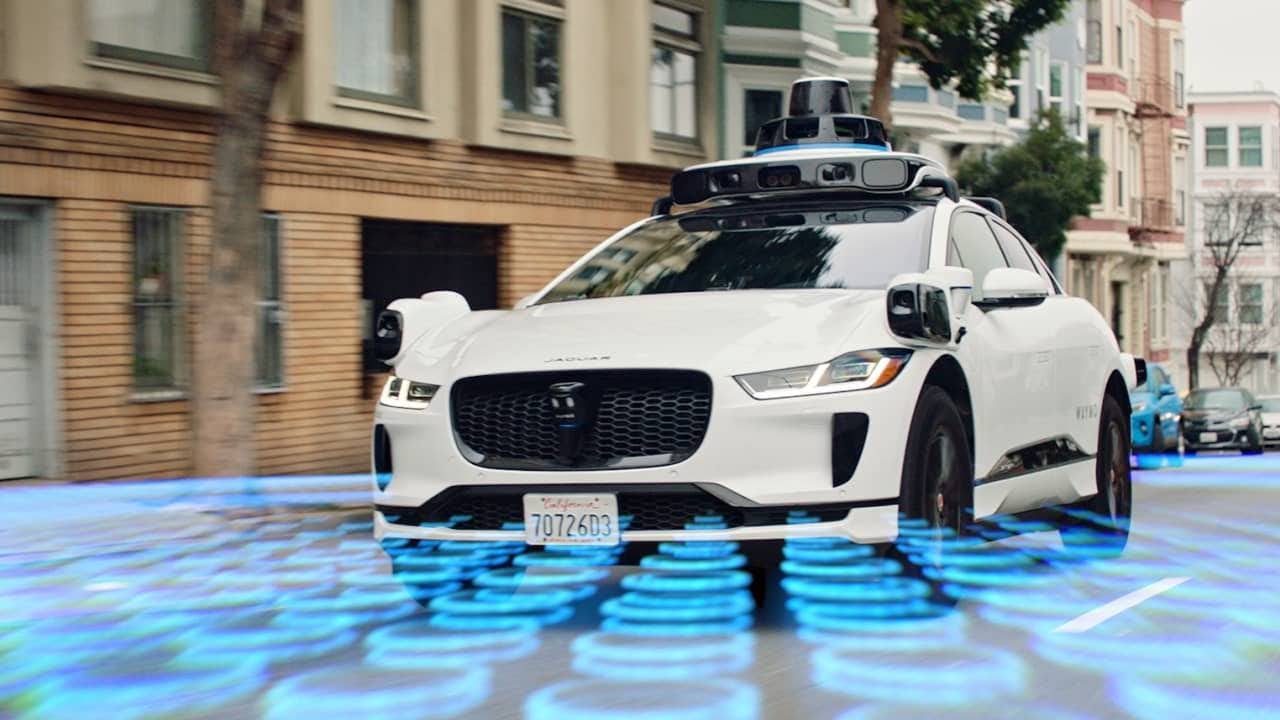
A Waymo robotaxi stopped about three-tenths of a mile from a passenger’s downtown San Francisco hotel and refused to move, and a support employee told the rider he could request another ride, ‘probably an Uber or Lyft.’ Waymo said the car was halted by a restriction placed after its operations team learned of planned protest activity. The company refunded the fare.
- The passenger, Sam Schwartz, is an author who wrote a 2018 book on self-driving technology and posted a video of the incident on LinkedIn. He and his wife, who is disabled, ultimately walked back to their hotel.
- Waymo said it suggests other transportation options when its cars cannot reach a destination, and that it is looking into how it could have better served the rider.
- The incident follows other recent problems. Waymo cars drove into floodwaters in at least two incidents this month, prompting a software recall and suspended service in six cities, and the company has halted highway rides to improve performance around construction zones.
Lyft Pushes Into Corporate Travel

Source: Semafor
Lyft is going after the high-end corporate travel market as part of what CEO David Risher calls an ‘up and out’ strategy. Risher said he is already talking with executives such as United Airlines CEO Scott Kirby about bundling Lyft with corporate travel perks, like pairing a first-class seat with an automatic upgrade to a chauffeur from TBR, the European service Lyft bought for $110 million last year.
- Risher said Lyft can only compete on price for so long after clawing back to profitability from $2 billion in annual losses three years ago. He believes his higher-end clients will still want human drivers even as autonomous vehicles expand.
- Lyft is staying asset-light rather than building its own self-driving cars, leaving that to Tesla, Waymo, and others. Late last year it struck a partnership with Waymo to launch self-driving rides in Nashville, which began this spring.
- “Partnering is a good risk-mitigation strategy,” Risher said, adding that developing AVs in-house may make sense long term once the company has seen what works and costs have come down.
QUICK HITS
- Uber is planning to offer a $50 shuttle for New York-New Jersey World Cup matches. – Sports Business Journal
- Jaguar Land Rover made a $25M investment in Lyft. – Auto Rental News
- For more coverage of the autonomous-vehicle industry, subscribe to The Driverless Digest, Harry’s newsletter and podcast covering robotaxis and AVs.
Must Listen Or Watch RSG Content
Here are this week’s featured podcast episode and YouTube videos:
- RSG269: This $12K EV Could Change Uber Driving Forever With Bingo Tech
- Uber EATS Delivery App Tutorial for 2026 (Step by Step)
- Is Uber Intentionally Stalling Driver Quests?!
- The High-End Uber Alternative Most Drivers Haven’t Heard About (Courial)
- Make sure you Subscribe so you don’t miss out on future conversations and interviews!