Uber is lobbying to force robotaxis onto apps that also carry human drivers in D.C. Uber is buying Delivery Hero. A judge just ordered Uber CEO to testify in a Georgia sex trafficking case. Uber’s product chief explains hotels, robotaxi data, and what the company is selling to AI firms. NYC drivers rallied as Uber and Lyft sued to block the deactivation law. We break it all down for you.
Uber Is Lobbying to Put Human Drivers in D.C. Waymos

Source: TechCrunch
A Washington, D.C. bill that would let robotaxis operate without a safety driver has turned into a proxy war between Uber and Waymo, two companies that once partnered but now have a more complicated relationship. Uber opposes the bill and is pushing a “hybrid network” rule instead, one that would require robotaxis to run on a platform that also uses human drivers. Uber’s policy lead argues an AV-only approach displaces roughly four drivers per vehicle, adds congestion from empty cruising, and leaves older and disabled riders without physical help. Waymo backs the bill and says it does not support limiting AVs to specific network types. Both sides testified at a day-long hearing Monday.
- If Uber wins, AV developers get two options: put their cars on apps like Uber’s, or hire human drivers to work alongside the robotaxis they spent hundreds of millions building. This would massively affect Waymo’s business, considering they don’t include human drivers in their network.
- The bill would charge robotaxi operators $0.15 per mile, with half the revenue going to transit and the rest to education and workforce programs for rideshare and taxi drivers at risk of losing work to AVs.
- Critics call the hybrid push regulatory capture. One think tank director speaking at the hearing said forcing certain business models does not improve mobility choices or road safety, it just charges rent to anyone who wants to operate.
Uber Is Buying Delivery Hero for $14.8 Billion
Source: The Wall Street Journal
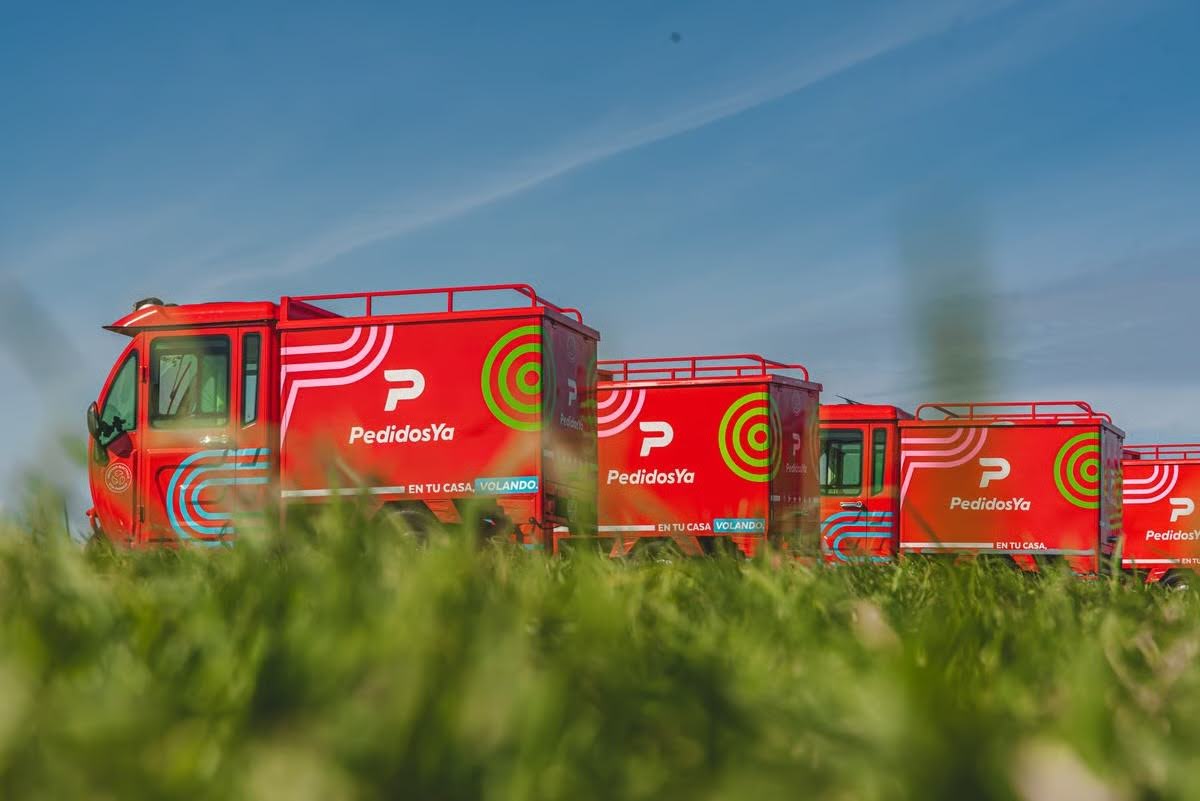
Uber agreed to buy a massive portion of German food-delivery platform Delivery Hero in a deal valuing it at $14.8 billion, adding operations in 50 markets from Asia to Latin America. Uber was already the largest shareholder and had an offer rejected in May. The new bid is 41.50 euros a share in cash, up from 33 euros. Delivery Hero’s board is backing it. The deal extends Uber’s mobility and delivery platform to 99 markets and creates a group with combined gross bookings of $236 billion.
- This is the latest consolidation in delivery. DoorDash bought Deliveroo last year, and Prosus took Just Eat Takeaway.com. Fewer platforms means fewer places for couriers to shop their labor.
- Delivery Hero is separately selling its businesses in 14 countries to SSW Partners for $1.6 billion, covering markets where Uber Eats already overlaps.
- Uber pledged to keep Delivery Hero’s Berlin headquarters and workforce until at least 2029 and earmarked 2 billion euros for German investment over five years.
Judge Orders Uber CEO to Testify in Georgia Sex Trafficking Case
Source: CBS News Atlanta
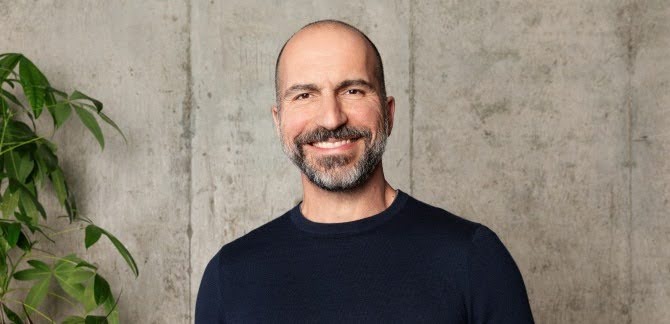
A Gwinnett County judge ruled July 6 that Uber CEO Dara Khosrowshahi has to sit for a deposition in a lawsuit accusing Uber of failing to prevent the trafficking of a 14-year-old girl. The suit says the teen was picked up at 1 a.m. without her parents’ consent and driven more than 30 miles to Jonesboro, where the man who booked the ride drugged and raped her over four days. He remains in custody on multiple charges. Uber tried to block the deposition, arguing its CEO lacks personal knowledge and has a demanding schedule. The judge denied a request to reconsider the next day.
- Judge Emily J. Brantley wrote that Khosrowshahi likely knows what Uber understood about trafficking risk, what it did with that knowledge, and how it decided whether to warn the public.
- The order specifically cites Uber’s communications with senators about sex trafficking in June 2023, sixteen months before this assault, plus warnings the company received from the FBI.
- The core claim is a training failure: that Uber did not train drivers to recognize trafficking. Drivers are the ones in the car when these rides happen, and the suit argues they were sent out without the tools to spot it.
Uber’s Product Chief on Hotels, AV Data, and Selling to AI Companies
Source: TechCrunch
Chief Product Officer Sachin Kansal walked through what Uber has been quietly building: hotel bookings with Expedia, a “shop for me” concierge, boat rentals in Europe, driver debit cards, and AV Labs, a six-month-old unit outfitting hundreds of sensor-equipped cars to collect driving data. Uber frames AV Labs as a way to strengthen ties with autonomy partners. It also reads as a hedge against them. On the Phoenix pilot ending, Kansal said Waymo is an excellent partner that is also a competitor in many cities.
- Uber is already selling data-labeling work to GenAI companies using its own earner base, and Kansal called it a new business the company is extremely bullish about. Drivers get paid for labeling and audio transcription, but only off-trip. He was emphatic that no rider conversations are recorded.
- The earner assistant is Uber’s AI answer to the question drivers actually ask, which is where to go to make more money. It will tell you the South Bay is light and point you five miles out.
- Uber One is at 51 million members and roughly half of bookings, and Kansal says members who start on delivery are moving into rides and vice versa.
NYC Drivers Rally as Uber and Lyft Sue to Block the Deactivation Law
Source: The City Reporter
Close to 200 for-hire drivers protested in Lower Manhattan Tuesday against Uber and Lyft’s federal suit to stop Local Law 52, which takes effect July 28. The law would bar the apps from cutting off drivers without just cause and require advance notice before deactivation. The City Council passed it overwhelmingly in January after Eric Adams vetoed an earlier version. The companies filed suit last month, two days before the rally’s federal court hearing.
- Elena Zerkal, an 11-year driver with five-star ratings, says Lyft deactivated her after she told a passenger she was not comfortable driving him while he berated a woman in her back seat. He then accused her of touching him. She was cut off within minutes and never got a hearing.
- Another driver, deactivated by Uber in 2019, says the reason is still a mystery to him. The law would give him a way to find out and a fair hearing.
- Uber calls the law reckless and unconstitutional, arguing it forces the platform to keep people accused of misconduct and would expose sensitive safety reports to the accused.
QUICK HITS
- Robotaxis developed jointly by Uber, Lucid and Nuro are arriving to the Bay Area in California and Houston soon. – Smart Cities Dive
- Harry sat down with Motor Trend to share tips on how to maximize earnings. – Motor Trend
- Lyft is expanding its partnership with Curb in NYC. – Seeking Alpha
- For more coverage of the autonomous-vehicle industry, subscribe to The Driverless Digest, Harry’s newsletter and podcast covering robotaxis and AVs.
Must Listen Or Watch RSG Content
Here are this week’s featured podcast episode and YouTube videos:
- RSG269: This $12K EV Could Change Uber Driving Forever With Bingo Tech
- Uber Eats Shop & Pay Tutorial (2026 Complete Guide)
- Why Did Uber Change Driver Earnings Statements?
- Accepted a Lyft Ride… Then It Completely Disappeared
- Make sure you Subscribe so you don’t miss out on future conversations and interviews!