Uber is pulling back on driver recruiting in cities where robotaxis operate. Uber cuts nearly a quarter of its HR staff. Uber is putting 500 sensor-loaded cars on the road to collect data for its self-driving partners. Colorado passed a law forcing tighter safety rules on Uber and Lyft. Illinois became the third state to let rideshare drivers form a union. We break it all down for you.
Uber Is Recruiting Fewer Drivers in Cities With Robotaxis
Source: Business Insider
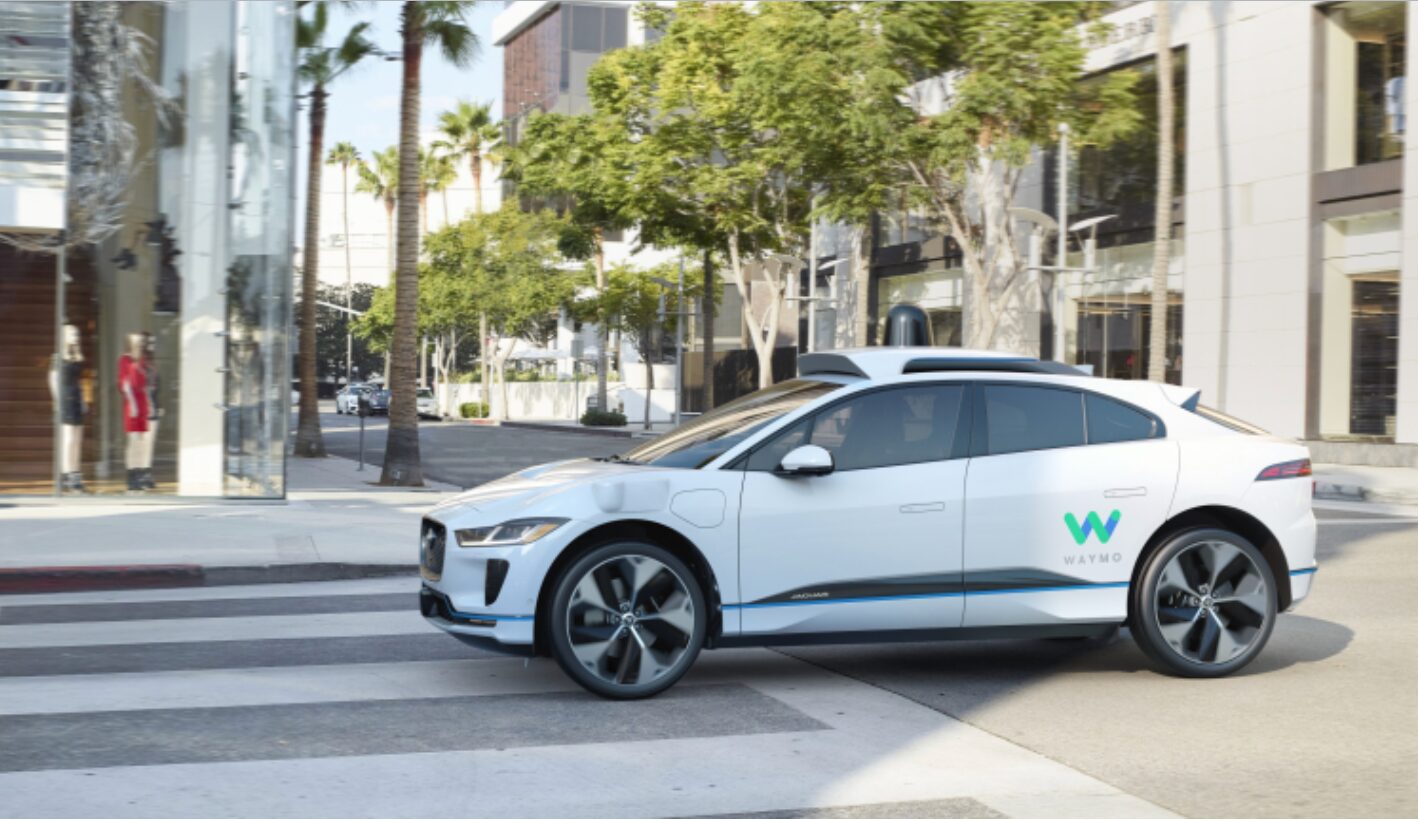
Uber is cutting back on recruiting new drivers in cities where robotaxis operate, CEO Dara Khosrowshahi said. He framed it as protecting current drivers’ earnings: with fewer new drivers entering those markets, the experienced drivers already there keep getting trips. At the same time, Uber says more drivers are signing up, which comes as unemployment rises and the cost-of-living rises.
- Khosrowshahi said drivers in markets with Waymo robotaxis on its platform, like Atlanta and Austin, are busier and “making more money” than drivers in cities without the tech, because robotaxis appear to be adding demand to the platform.
- An Uber spokesperson said the company is spending less on driver marketing in some cities as more drivers are joining on their own.
- Uber says it will still need human drivers even as robotaxis expand. Its COO Andrew Macdonald said last year that driver numbers could grow as more people give up owning a car in favor of rideshare and robotaxis.
Uber Cuts Nearly a Quarter of Its HR Staff

Source: CNBC
Uber is cutting 23% of jobs in its people division, the team that handles recruiting and human resources. CEO Dara Khosrowshahi told staff the changes are “necessary” to make the team more effective. Uber said the cuts amount to well under 1% of its 34,000 employees and were not caused by AI.
- New president Jill Hazelbaker, who is leading the reorganization, told affected teams that some groups had become fragmented, with overlapping responsibilities and unclear ownership.
- The same week, Uber confirmed it put monthly spending caps on employees’ AI tools, starting at $1,500 a month and rising from there. Its tech chief had said the company used up its entire 2026 AI budget in four months.
Uber Is Putting 500 Sensor Cars on the Road to Train Robotaxis

Source: TechCrunch
Uber unveiled a prototype car it will use to collect real-world driving data for its self-driving partners, including Waymo, WeRide, and Avride. It plans to put 500 of these sensor-equipped Hyundai Ioniq 5 EVs on roads worldwide this year, gathering 2 million miles of data a month to help train robotaxi software. About 50 are expected on the road by summer.
- Each car is fitted with 14 cameras, eight lidar sensors, and nine radars. It is the first vehicle Uber has built itself since it sold its self-driving division in 2020.
- The cars feed Uber’s new AV Labs division, which shares data with its 30-plus self-driving partners. Uber says it wants to build the most geographically diverse training dataset for autonomous driving.
- Uber has already collected data from thousands of partner vehicles with outward-facing cameras across dozens of cities, including hundreds of Lucid Air cars over the past two years.
Colorado Passes Tougher Safety Law for Uber and Lyft

Source: The New York Times
Colorado Governor Jared Polis signed a law adding new safety requirements for Uber and Lyft. It lets both drivers and passengers opt in to audio and video recording during rides, requires criminal background checks at least every six months, expands the list of convictions that disqualify a driver, and requires the companies to share incident data with the state every year. Drivers will also get regular safety training.
- The law followed a New York Times investigation that found Uber received a report of sexual assault or misconduct in the U.S. roughly every eight minutes on average between 2017 and 2022, far more than the company had publicly disclosed.
- The bill’s sponsor, state Rep. Jenny Willford, introduced it after she was sexually assaulted during a Lyft ride in 2024 by a man impersonating her assigned driver. He has not been found.
- Uber and Lyft both say more than 99.9% of trips happen without a safety incident, and both said they worked with the bill’s sponsors. Similar measures are moving forward in California and Virginia.
Illinois Becomes the Third State to Let Rideshare Drivers Unionize

Source: Chicago Sun-Times
Illinois lawmakers passed a bill letting more than 100,000 rideshare drivers in the state form a union, sending it to Governor JB Pritzker’s desk. It makes Illinois the third state, after California and Massachusetts, to give collective bargaining rights to drivers who work as independent contractors. Advocates say bargaining could address low pay, sudden account deactivations, and unsafe working conditions.
- Driver Mark Balentine, who has driven for Uber and Lyft since 2014, pushed for the bill after Uber denied him an $1,800 bonus, saying its system logged only 124 of the rides he completed when he counted 150.
- Uber backed the bill, while some labor groups, including AFSCME Council 31, opposed it over concerns it could keep drivers from ever qualifying for full employee benefits like health coverage.
- Drivers spent five months lobbying in Springfield. The bill passed early Monday and now awaits the governor’s signature.
QUICK HITS
- Philadelphia City Council rejected Mayor Cherelle Parker’s proposed $1-per-ride tax on rideshare trips during budget negotiations, though the mayor said the fight is not over. – NBC Philadelphia
- North Carolina House Democrats previewed a coming push for rideshare driver safety protections, following the 2025 killing of a Durham Uber driver. The proposal will not be formally introduced until the legislature’s new session in January 2027. – NC Newsline
- Uber released its 10th annual Lost and Found Index, marking a decade of tracking the items riders most often leave behind. – Uber Newsroom
- For more coverage of the autonomous-vehicle industry, subscribe to The Driverless Digest, Harry’s newsletter and podcast covering robotaxis and AVs.
Must Listen Or Watch RSG Content
Here are this week’s featured podcast episode and YouTube videos:
- RSG269: This $12K EV Could Change Uber Driving Forever With Bingo Tech
- How To Use The Uber Driver App & Take Your First Ride (2026 Guide)
- Did My Driver Actually Get The Tip?
- A Big Financial Update Is Coming For Gig Workers With Ualett
- Make sure you Subscribe so you don’t miss out on future conversations and interviews!