Federal regulators are cracking down on algorithmic pricing. DoorDash buys Instacart for $17B. Lyft pays $1.8M in California over how hard it made opting out of data sales. A federal appeals court upholds Seattle’s protections against sudden driver deactivations. A Georgia court spells out when a rideshare company is, and is not, on the hook for a driver’s violence. We break it all down for you.
FTC Demands Pricing and Pay Data From Uber, Lyft and Seven Others
SOURCE – Reuters, Los Angeles Times
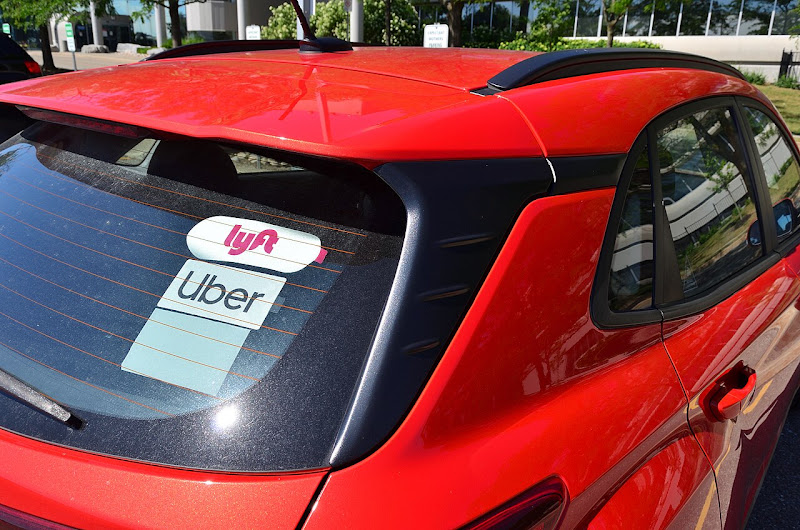
The Federal Trade Commission has ordered Uber, Lyft, DoorDash and Instacart to turn over details on whether they use personal data such as location, browsing history and income to set individualized prices, wages and job offers. For drivers, the agency wants to know whether platforms tailor what they pay each worker for the same trip.
- The FTC is gathering the information for a study on personalized pricing. Chairman Andrew Ferguson said the agency will scrutinize the “opaque methodology” some companies use to decide how much a customer pays or how much a gig worker earns for the same product or service.
- Hundreds of commenters have urged the FTC to ban the practice outright, but the agency says it lacks the authority to do that.
- Sergio Avedian of The Rideshare Guy has documented the driver side for years. In one test, two Uber-driving brothers in Chicago ran their apps side by side and were offered different rates for the same rides; the brother with the nicer car and a history of declining trips consistently got the higher offers. He repeated the experiment with four drivers at an industry event, and no two were quoted the same rate for the same work.
- Avedian ties the spread to Uber’s upfront pricing, which replaced the old meter-style formula of time, distance and base fare. Drivers who take almost every trip, known in the community as “ants,” tend to see lower offers, while “pickers” who hold out tend to see higher ones. Uber says a driver’s acceptance rate, earnings and prior trips are not factors in its fares, and it will not say what is.
DoorDash Buys Instacart in $17 Billion Delivery Deal

SOURCE – CNN
DoorDash is acquiring Instacart for roughly $17 billion, ending Instacart’s run as an independent company and creating a delivery and grocery operation built to compete with Uber, Amazon and Walmart. The deal pays $65 per share, about a 25% premium to Instacart’s price before sale reports surfaced on October 22.
- For gig workers, this may mean lower wages, since there is less competition for labor. The anti-monopoly American Economic Liberties Project is pushing regulators to block it, arguing the combined company would control close to 60% of the third-party grocery delivery market and warning about pressure on pay for the two companies’ roughly 9 million combined workers.
- DoorDash is pitching it as a reach-and-tools play: its delivery network paired with Instacart’s grocery fulfillment technology, offered to retailers of every size. Customers would also no longer need both DashPass and Instacart+, which the companies estimate could save around $100 million a year in membership fees.
- The deal extends a wave of consolidation in delivery. Wonder bought Grubhub’s US business for $650 million in 2025, Uber picked up Delivery Hero this summer for $14.8 billion, and Uber bought Postmates for $2.65 billion in 2020. The transaction is expected to close in the coming months.
Lyft to Pay $1.8 Million Over California Privacy Complaints

SOURCE – Insurance Journal
Lyft will pay $1.8M to settle allegations that it broke California privacy and unfair-competition law by not giving app users a straightforward way to opt out of the sale or sharing of their personal information. The settlement also forces Lyft to add an in-app opt-out and to notify California users of that right.
- Both riders and drivers must create a Lyft account, and the company collects names, contact details, IP addresses and location data. Since 2023, Lyft has sold or shared that information to target ads inside its own app.
- Regulators said the only way to opt out was a detour: links out of the in-app privacy policy to a “Do Not Sell or Share My Personal Information” page, then a demand to log in again and submit more personal information. Attorney General Rob Bonta called that an illegal and unnecessary barrier to a right the law guarantees.
- The case came out of a March 2025 state sweep into how companies handle geolocation data. California drivers and riders can also use the state’s Delete Request and Opt-out Platform, known as DROP, to tell registered data brokers to delete their information in a single request.
Appeals Court Upholds Seattle’s Rules on Driver Deactivations

SOURCE – Laws.com
A federal appeals court has upheld a Seattle law that protects app-based workers from being cut off from the apps without a clear explanation. The Ninth Circuit sided with the city over Uber and Instacart, which had sued to block the 2023 ordinance.
- The law says that if a company is going to deactivate a worker’s account and cut off their income, it has to put its deactivation policy in writing and keep that policy tied to real safety and operational reasons. Workers get clear notice of what can get them removed.
- Uber and Instacart argued the rule forced them to say things they did not want to say, which they called a free-speech violation, and that it was too vague to follow. The court rejected both arguments, treating the required disclosures as ordinary commercial speech and finding the rule clear enough for a reasonable company to understand.
- The decision clears the way for other cities to pass similar protections. The companies could still ask the US Supreme Court to take the case, but have not said whether they will.
Lyft Wins Georgia Appeal Over Driver’s Assault on Passenger

SOURCE – Law Commentary
A Georgia appeals court has ruled that Lyft is not liable for a 2020 attack in which one of its drivers beat a passenger unconscious, even though the driver had drawn two complaints in the eight days before the assault. The passenger, William Evans, already holds a $12.1 million judgment against the driver, Roy Sallie, who pleaded guilty to aggravated battery.
- In the days after Lyft approved Sallie, two separate passengers gave him one-star ratings and flagged unsafe driving and suspected drug or alcohol use. Lyft asked one rider for more information, got no reply, and took no further action on either report before the attack.
- The court held that complaints about bad driving and possible impairment did not give Lyft reason to foresee a violent assault, the legal standard known as proximate cause. Sallie’s record, including a reckless-driving charge later reduced to improper driving, pointed to no risk of violence either.
- One judge agreed with the outcome but wrote separately to criticize how Lyft handled the early complaints, saying serious safety concerns and one-star ratings at the start of a driver’s tenure should prompt a company to reconsider keeping that driver on the platform.
QUICK HITS
- Uber allegedly was also in the race to purchase Instacart. – Tikr
- Amazon, Uber and Instacart are suing to overturn a New York City law limiting their ability to remove delivery workers from their platforms. – PYMNTS
- Uber’s Q3 gross bookings are likely to meet Wall Street’s expectations, according to Bank of America analysts. – Yahoo Finance
- For more coverage of the autonomous-vehicle industry, subscribe to The Driverless Digest, Harry’s newsletter and podcast covering robotaxis and AVs.
Must Listen Or Watch RSG Content
Here are this week’s featured YouTube videos:
- Is Uber Running Out of Drivers?!
- Uber Will Guarantee Your Pay… If You Give Up THIS
- Is Uber Destroying Its Own Business?
- Make sure you Subscribe so you don’t miss out on future conversations and interviews!