Lyft expands international presence. Uber loses its second straight sexual assault trial. California drivers sue Uber over deactivations. Seattle’s labor office drops the biggest gig-pay dataset ever assembled. DoorDash will pay couriers in stablecoins. We break it all down for you.
Lyft Acquires London’s Gett UK in Latest International Push
Source: Sherwood News
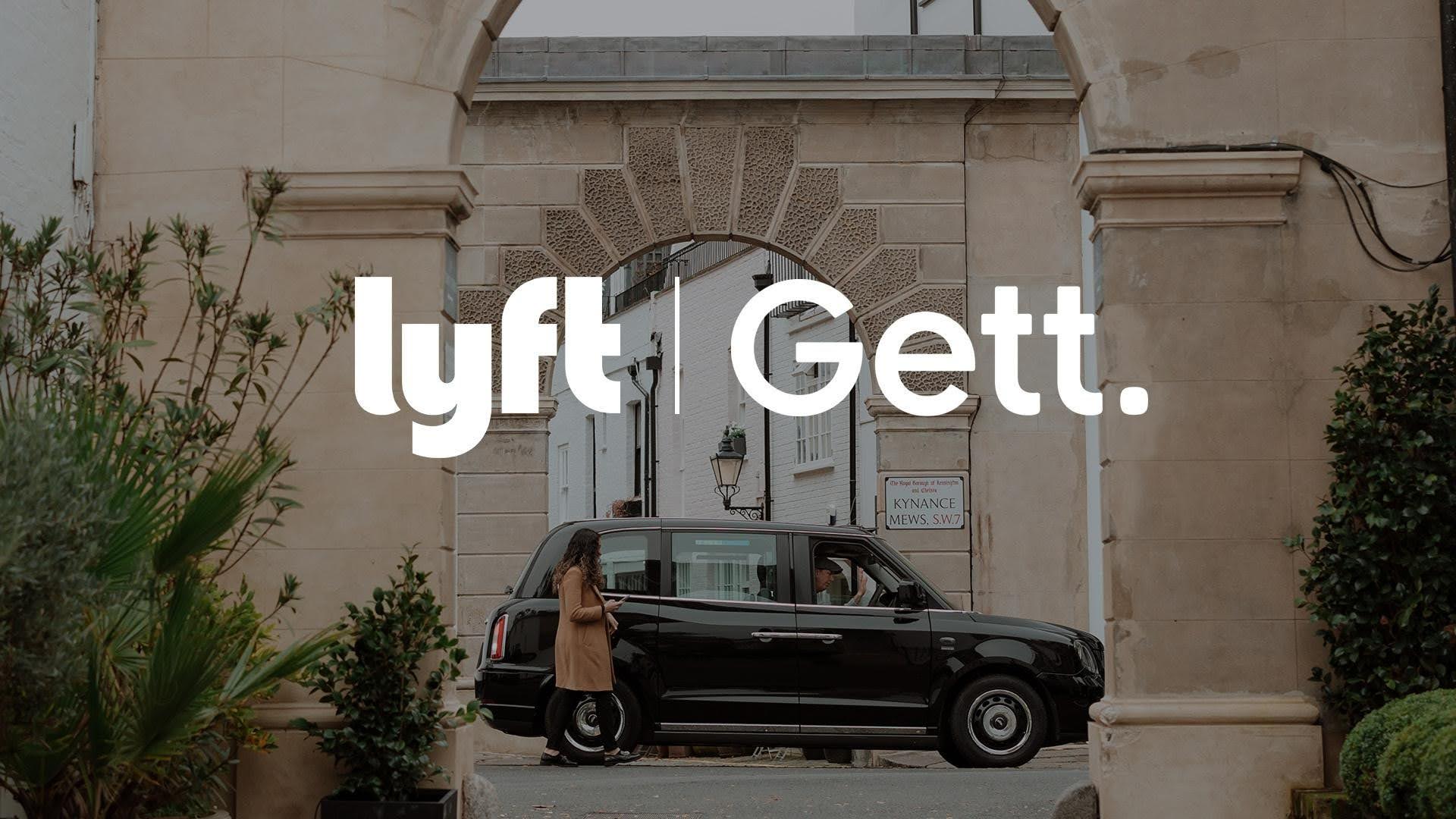
Lyft announced Thursday that it’s acquiring Gett UK, a rideshare app built around London’s iconic black cabs, for an undisclosed amount. It’s the company’s latest move overseas after years of staying mostly in North America. The deal comes on top of last April’s $197 million all-cash acquisition of European app FreeNow and a London robotaxi pilot with Baidu.
- Lyft stock is down 27% so far in 2026 after a surprise $185 million operating loss in Q4 2025, which Risher blamed on unexpected rival price promotions.
- The London deal leans on professional black-cab drivers instead of app-based contractors, which analysts say allows Lyft to sidestep the labor-classification fight and chase higher-value, regulated segments.
- CEO David Risher has been pretty open about the strategy: push “out” into new markets and “up” into higher-value segments.
Uber Loses Second Bellwether Sexual Assault Trial

Source: The New York Times
A federal jury in Charlotte, North Carolina on Monday found Uber liable for a 2019 sexual assault by a driver. That’s two losses in a row in the first two bellwether trials, out of more than 3,000 pending federal lawsuits. What makes this one sting for Uber: Uber itself picked the Charlotte case as one of its strongest. It follows a February verdict in Phoenix that hit the company with $8.5 million, and together the two decisions raise real questions about how Uber will handle mass driver-safety liability going forward.
- The Charlotte jury awarded plaintiff Brianna Mensing just $5,000, a tiny fraction of the Phoenix award. Uber’s spokesman framed that as a win that “brings these cases back to reality.” A Stanford mass-litigation expert saw it differently, calling the verdict a powerful signal about the risks Uber is facing.
- Uber still says 99.9% of US trips happen without incident, but with 3,000+ cases consolidated in federal court and two losses in a row, pressure is building for policy changes around driver screening, in-app audio recording, and more frequent background checks.
- Every big liability judgment feeds into Uber’s insurance costs. That’s usually what is pushing the company to lobby for liability caps and alternative insurance structures at the state level.
California Drivers Sue Uber Over Deactivations, Allege Prop 22 Violations

Source: CalMatters
Rideshare Drivers United, a group that represents about 20,000 California drivers, filed suit Monday in San Francisco Superior Court. The complaint argues that Uber has never built a real appeals process for deactivated drivers, which was a core promise of Prop 22, the 2020 ballot measure Uber helped write to keep its drivers classified as independent contractors. Attorney Shannon Liss-Riordan wants the court to declare that Uber can’t invoke Prop 22’s contractor classification anymore, and is seeking back pay and labor-code damages for drivers who were unfairly booted off the app.
- Drivers say the current appeals flow is mostly bots, followed by scripted overseas agents who rarely escalate anything. One 8-year Bay Area driver said he was kicked off right before Christmas 2024 after braking hard to avoid a pedestrian.
- Deactivated California drivers have no unemployment insurance backstop because Prop 22 classifies them as contractors. CalMatters points out that no state agency is actually assigned to enforce the driver-protection promises baked into the law.
- The suit also claims Uber deactivates drivers for reasons that aren’t even listed in its Platform Access Agreement, and that the company doesn’t give drivers enough earnings data to verify they’re hitting the promised 120% of minimum wage.
DoorDash Plans Stablecoin Payouts for Drivers via Stripe’s Tempo

Source: Invezz
DoorDash is working on a new payout option that would let drivers take part of their earnings in stablecoins, which are digital dollars pegged 1:1 to the US dollar. The plan uses Tempo, a new payments-focused blockchain built by Stripe and Paradigm. It’s still in early planning, but if it actually ships, drivers would get a faster and potentially cheaper alternative to regular bank deposits and Fast Pay-style instant transfers.
- The pitch for drivers is near-instant settlement instead of the hours or days bank ACH can take, plus potentially lower fees than DoorDash’s current instant-payout options. The catch: whether drivers actually benefit will come down to how easy it is to convert stablecoins back into usable local cash.
- DoorDash hasn’t said which stablecoin or stablecoins it’ll support, but Tempo is Stripe and Paradigm’s answer to high-volume micropayments, which is the same problem gig platforms have been paying banking intermediaries to solve for years.
- Adoption will depend on a few things: regulatory clarity (US stablecoin rules are still shifting), wallet UX that non-crypto-native drivers can actually figure out, and whether DoorDash passes along any fee savings instead of pocketing them.
Seattle Says Gig Pay Law Lifted Earnings to $16/hr

Source: GeekWire
Seattle’s Office of Labor Standards just released what it’s calling the most comprehensive gig-worker pay dataset ever assembled: 92,000 workers and 15 million offers across the five biggest delivery platforms over 18 months. With the dataset, the city concluded that its minimum-pay ordinance is working to help gig workers make more money. Average “pay for time online” came in at $15.98 per hour, up from pre-ordinance estimates as low as $3.17. Weekly completed offers grew 3.2%, and demand held steady. That directly contradicts the long-running claims from DoorDash, Uber Eats, and Instacart that the law gutted both volume and pay.
- DoorDash fired back right away, saying Seattle drivers earned more than 20% less per hour in 2024 compared to 2023, and nearly 25% less by Q3 2025. It also pointed out that Seattle’s delivery fees are 3.5 times the average in comparable cities like Denver, Portland, and San Francisco. That’s the case study every city weighing a similar law is going to look at.
- A Carnegie Mellon NBER working paper reached the opposite conclusion, but it used Gridwise data covering only 3,700 self-selected workers, roughly 4% of Seattle’s delivery workforce. The OLS dataset, by contrast, is mandatory reporting from every platform, which makes its headline numbers a lot harder to wave off.
- Companies responded to the law by tacking on “Seattle regulatory fees” that averaged 19.3% of each order, and some redesigned their apps to discourage tipping. The result: base pay is now the majority of driver earnings, which is a pretty big shift away from the tip-dependent income model gig delivery was built on.
QUICK HITS
- Delivery apps Uber Eats and Deliveroo are being accused of human trafficking in Europe, filed with the Paris prosecutor’s office. – Le Monde
- Uber will now have a courier return items to the store for you. – TechCrunch
- Want to learn more about the robotaxi industry? Subscribe to The Driverless Digest, our new newsletter and podcast dedicated to the future of autonomous vehicles.
Must Listen Or Watch RSG Content
Here are this week’s featured podcast episode and YouTube videos:
- RSG268: Uber’s NEXT Big Move? Taxis!
- This New Rideshare App Claims Drivers Keep EVERYTHING
- This Driver Gets Tipped 40%… Wait Until You See His Car
- Uber Is Pushing Teen Trips HARD… Drivers Are Pushing Back
- Make sure you Subscribe so you don’t miss out on future conversations and interviews!