Lyft’s quarterly revenue rose 14% on partnership growth, but stock still falls. Uber CEO Dara Khosrowshahi said the company is slowing hiring as it leans into AI investment, with about 10% of code changes now produced by autonomous agents. DoorDash said it expects to spend more than $50M in the second quarter to offset gas-price spikes. We break it all down for you.
Lyft Revenue Climbs 14% as Partnerships Lift Rides, But Stock Still Falls

Source: Wall Street Journal
Lyft reported first-quarter revenue of $1.65B, up 14% from a year earlier, as partnerships with United Airlines, Chase and DoorDash drove a record share of rides. Quarterly rides rose 8.5% to 236.9M but fell short of the 241.2M Wall Street forecast, hit by Northeast winter storms the company said cut growth by more than 3 million trips. Shares fell 2.9% in after-hours trading after earnings and are down 27% year to date.
- Active riders rose 17% to 28.3 million and gross bookings climbed 19% to $4.95 billion, beating analyst estimates.
- Lyft guided second-quarter gross bookings to a range of $5.3 billion to $5.43 billion, in line with the $5.32 billion analyst view.
- The company said its driver fuel-relief program, launched in March amid the Middle East conflict, will have an immaterial effect on second-quarter results.
DoorDash to Spend More Than $50 Million on Driver Gas Relief This Quarter

Source: Associated Press
DoorDash said it expects to spend more than $50M in Q2 2026 on gas-price relief for U.S. and Canadian delivery drivers, extending a temporary program announced in March. The national average for a gallon of gas reached $4.53 on Wednesday, up 44% from a year ago, AAA data show. To fund the program, the company said it is pushing out some previously planned investments.
- First-quarter revenue rose 33% to $4 billion, missing analysts’ $4.15 billion estimate; total orders rose 27% to 933 million, also short of forecasts.
- Net income fell 5% to $184 million, or 42 cents a share, but topped the 36-cent consensus, and shares rose more than 11% after hours.
- Chief Executive Tony Xu said DoorDash will stay focused on restaurant and retail delivery rather than follow Uber into hotel bookings.
Uber Slows Hiring as AI Agents Now Write 10% of Code, CEO Says
Source: Business Insider
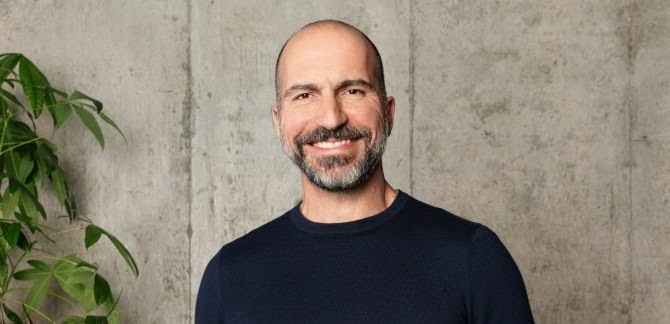
Uber CEO Dara Khosrowshahi said autonomous AI agents now produce roughly 10% of the company’s code changes, with human engineers reviewing the work before it is merged. He said Uber is metering headcount growth and redirecting savings into AI investment after underestimating the technology’s productivity impact in last year’s budget. Uber reported first-quarter revenue of $13.2B and gross bookings up 25%; shares rose about 6% in pre-market trading.
- Uber CTO Praveen Neppalli Naga said last month that Uber had already exhausted its 2026 Claude Code budget.
- Khosrowshahi said employees in legal, marketing and engineering are using AI tools internally, calling it “employees with superpowers.”
- The company forecast second-quarter earnings per share growth of 31% to 38%.
Op-Ed Argues Robotaxis are Bad For Local Economic Development
Source: Salt Lake Tribune
A reader-submitted letter in the Salt Lake Tribune argues that fares paid to driverless rideshare services bypass the local economy, which human drivers help sustain. The writer noted that earnings by a rideshare driver typically circulate through neighborhood grocers, hardware stores and barbershops before moving up the corporate chain. By contrast, fares paid for autonomous trips flow directly to fleet operators outside the community.
- The op-ed frames the shift to robotaxis as a “trickle up” transfer of wages from local economies to corporate balance sheets.
- The writer accepts the technology’s advance as inevitable but urges riders to weigh the community impact of where their dollars land.
- The piece adds to a growing debate over how rideshare automation will reshape both driver income and the small businesses that have built up around it.
Denver Driver-Owned Co-op Takes On Uber and Lyft With 1,200 Members
Source: Denverite
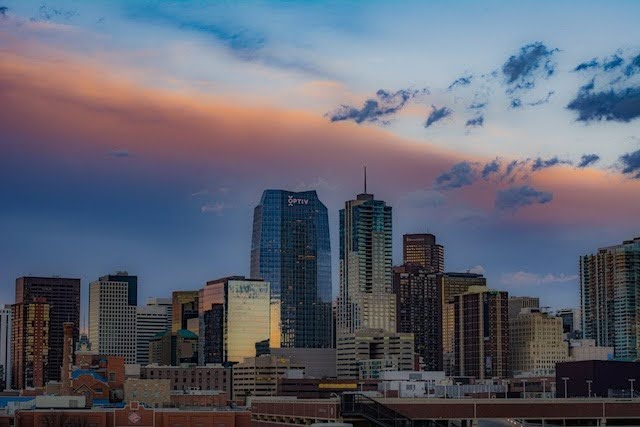
Drivers Cooperative-Colorado, a driver-owned rideshare platform that launched its app in September 2024, now counts roughly 1,200 drivers and handles about 2,000 rides a month. The Denver-based co-op lets drivers keep 80% of each fare, well above what the major platforms pay, and gives them a vote in operations. Co-founder Ahmed Eloumrani, a Moroccan immigrant and longtime Uber driver, said he started the venture after years of frustration with shifting pay and incentives at the big platforms.
- The co-op’s app has been downloaded about 20,000 times statewide, with 90 to 100 drivers logged on at any given moment.
- Recent studies cited in the article show driver earnings on major platforms often fall below $15 an hour, and at times under $10, once expenses are factored in.
- Most co-op drivers are immigrants, and the platform partners with the nonprofit Empowering Communities Globally to coordinate group pickups and language-matched rides.
QUICK HITS
- Delivery robots are being attacked in Philadelphia after they were launched a month ago. – NY Post
- DoorDash announced strong earnings. – CNBC
- Uber paid $600M for parking app SpotHero. – Crain’s Chicago Business
- Want to learn more about the robotaxi industry? Subscribe to The Driverless Digest, our new newsletter and podcast dedicated to the future of autonomous vehicles.
Must Listen Or Watch RSG Content
Here are this week’s featured podcast episode and YouTube videos:
- RSG268: Uber’s NEXT Big Move? Taxis!
- Lyft’s Algorithm Is Completely Broken
- Why Smart Riders Are Comparing Uber & Lyft Before Every Ride
- Some Drivers Are About To Lose Uber Comfort
- Make sure you Subscribe so you don’t miss out on future conversations and interviews!