A watchdog says Uber quietly cut its insurance coverage while sitting on billions in reserves. Gov. Newsom signed a deal that ends Uber’s expensive California ballot war. Your next Uber in Boston might pull up as a yellow cab. Driverless cars are about to hit London’s streets for the first time. California regulators have kept a decade of Uber and Lyft safety data under wraps. We break it all down for you.
Uber Cut Its California Insurance Coverage Without Disclosing It Self-Insures, Lawmaker Says
Source: CalMatters
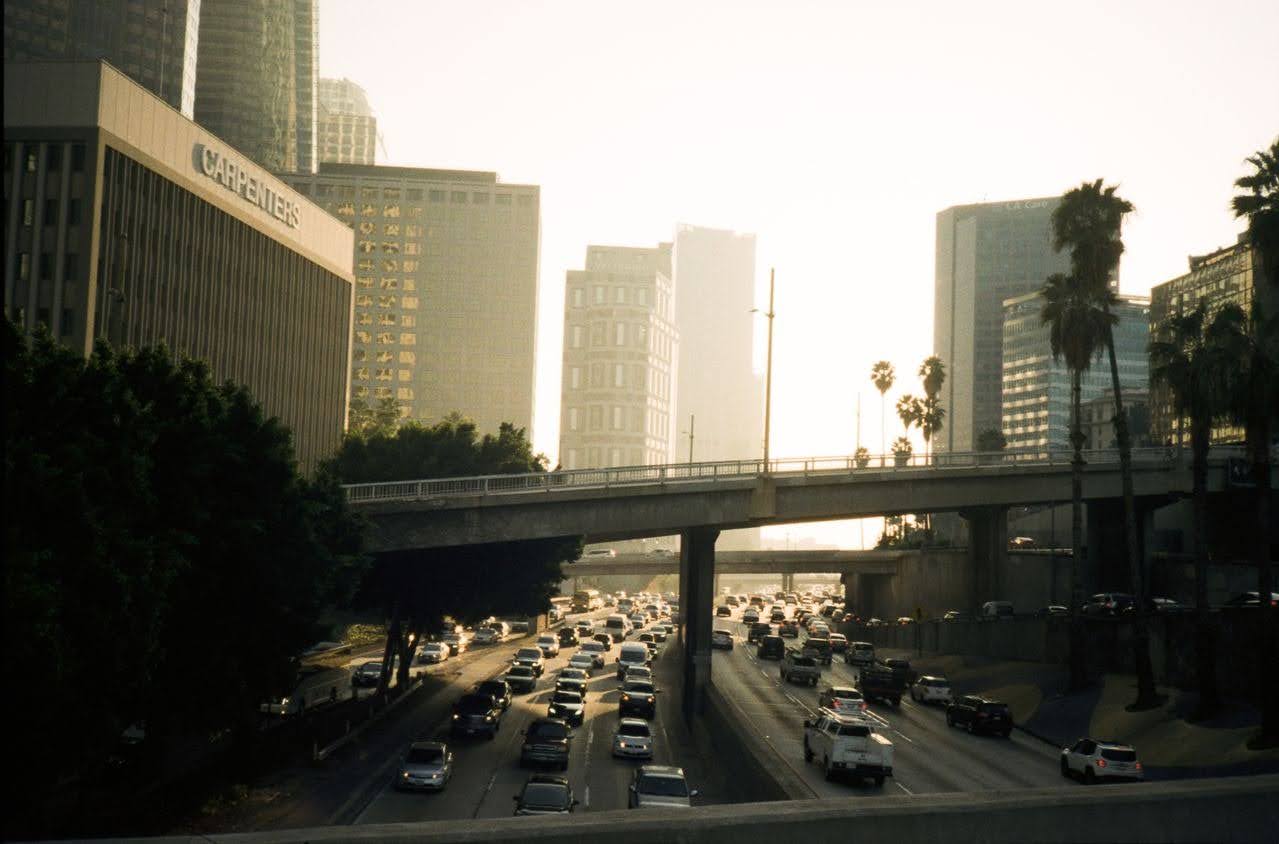
A consumer group says Uber misled California lawmakers last year while pushing SB 371, which cut the company’s required coverage for uninsured and underinsured motorists from $1 million to $60,000 per person. Uber argued the change would lower costs but never disclosed that it mostly insures itself through a subsidiary.
- Consumer Watchdog found Uber’s captive insurer, Aleka, covers about 95% of its risk, and that Uber’s insurance reserves doubled to $12.46 billion from 2023 to 2025, more than double what the group estimates the company needs.
- One assemblymember said he did not know Uber largely self-insures because it was never disclosed to the insurance committee before the vote.
- Uber denies misleading anyone and calls the report speculation. The law requires a state study of its effects, due by the end of 2030.
California Governor Signs Deal to End Uber’s California Ballot Fight
Source: Politico
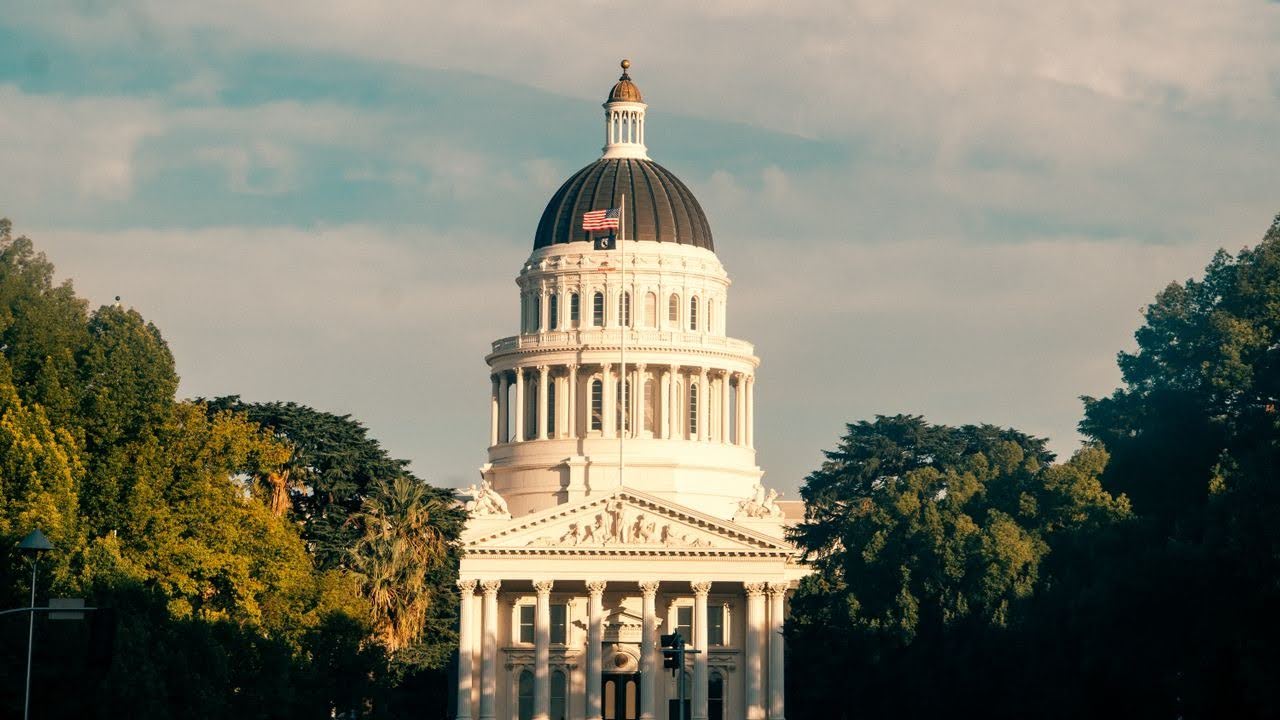
Gov. Gavin Newsom signed SB 623 on Thursday, finalizing the deal between Uber and California trial attorneys and pulling both sides’ competing measures off the November ballot. The bill tightens the medical-lien rules Uber blames for inflated crash payouts and sets new safety standards for ride-hailing companies.
- It does not cap attorneys’ fees in crash cases, which Uber had wanted in its original ballot measure.
- In return, Uber agreed to tougher driver background checks and safety standards meant to curb sexual assault and other misconduct.
- The fight had drawn more than $50 million in combined ad spending, and the deal could become a blueprint for similar liability battles in states like New York and Georgia.
Boston is Now Integrating Taxis into Uber, Lyft
Source: CBS News
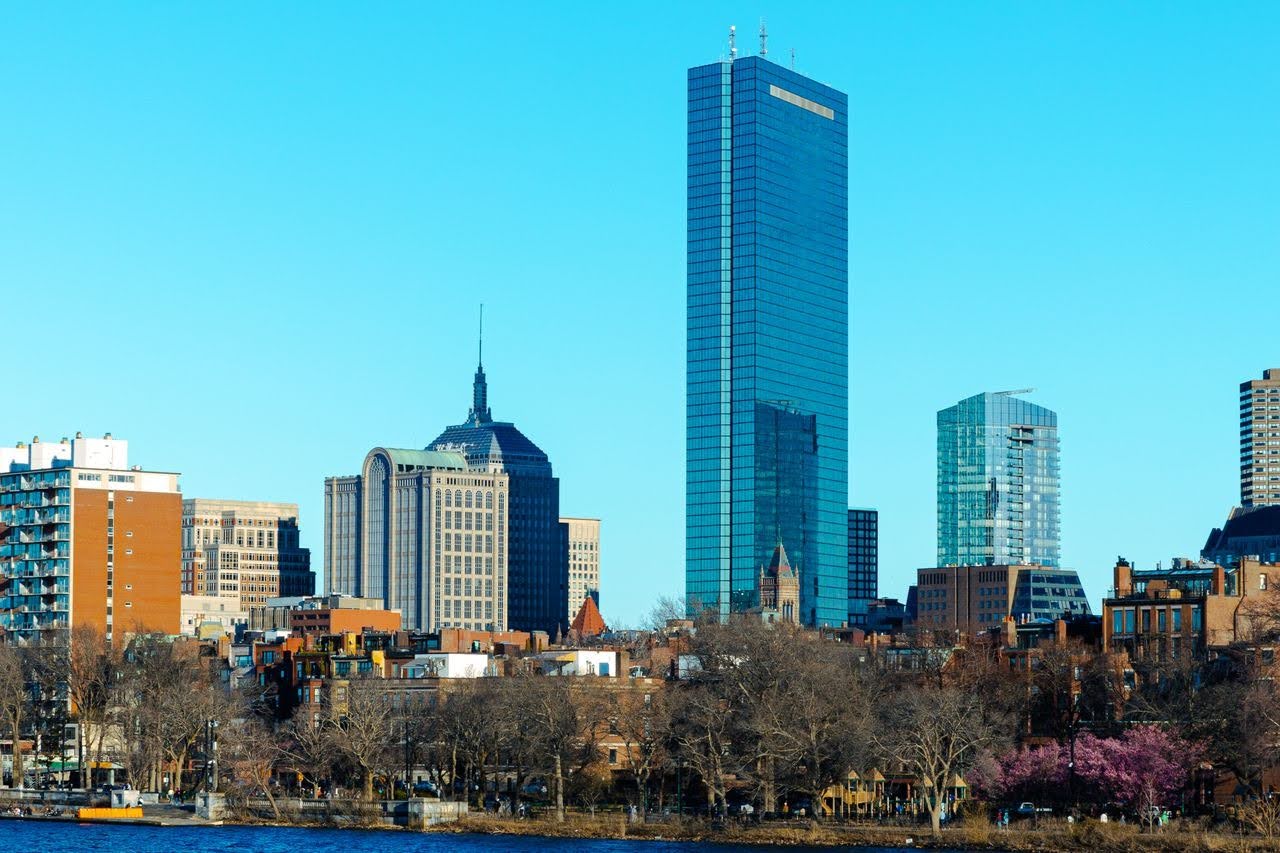
Under a new yearlong pilot from Mayor Michelle Wu, Boston taxis can now pick up riders who request trips through Uber and Lyft. Riders still see the upfront app price instead of a metered fare, and the Uber app now lists taxis as an option.
- The city says the program cuts wait times for passengers and lets licensed cab drivers reach far more trips than most currently serve.
- Trips to Logan Airport are excluded, with exceptions allowed for some special events.
- One driver who has owned and run a Boston cab for 25 years called it a major boost for drivers and the passengers they serve.
Robotaxis are Coming Soon to the Uber app in London
Source: Reuters
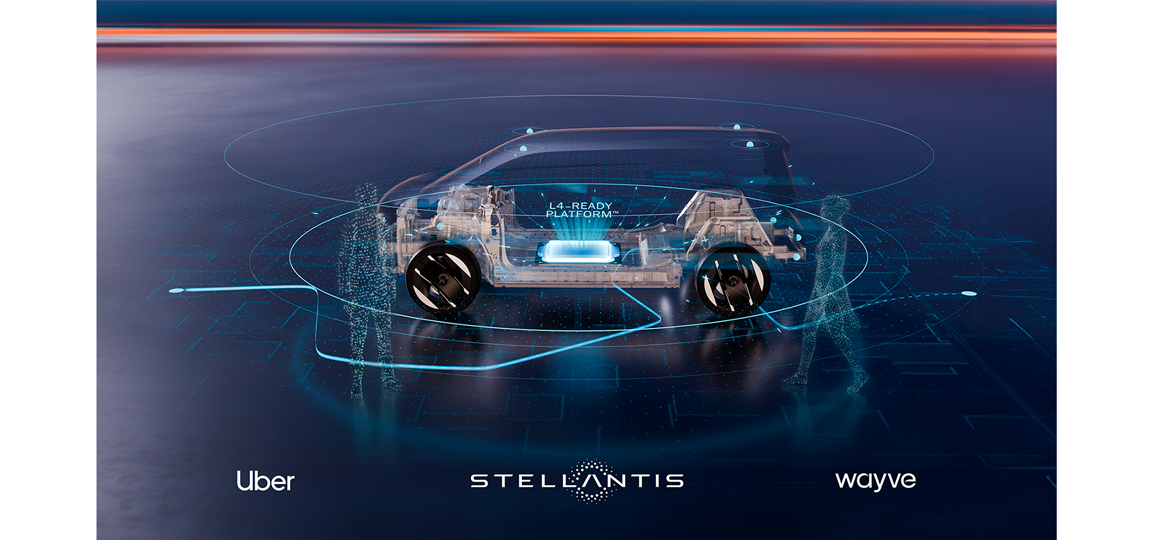
Uber opened sign-ups for London’s first robotaxis, which it expects to launch within months once regulators approve. The cars use self-driving technology from British startup Wayve and will start with trained safety operators behind the wheel.
- The Ford Mustang Mach-E vehicles run on surround cameras and radar and have been tested on London roads since 2018. The AV rides will not cost extra, and riders can switch to a standard trip.
- Europe has trailed the US and China on robotaxis, partly due to regulation and older, more complex street layouts.
- Waymo and Baidu’s Apollo Go are also testing in London, and Wayve, which partnered with Uber in 2024, raised $1.5 billion in February.
California Regulators Have Kept a Decade of Uber and Lyft Safety Data Secret
Source: San Francisco Public Press
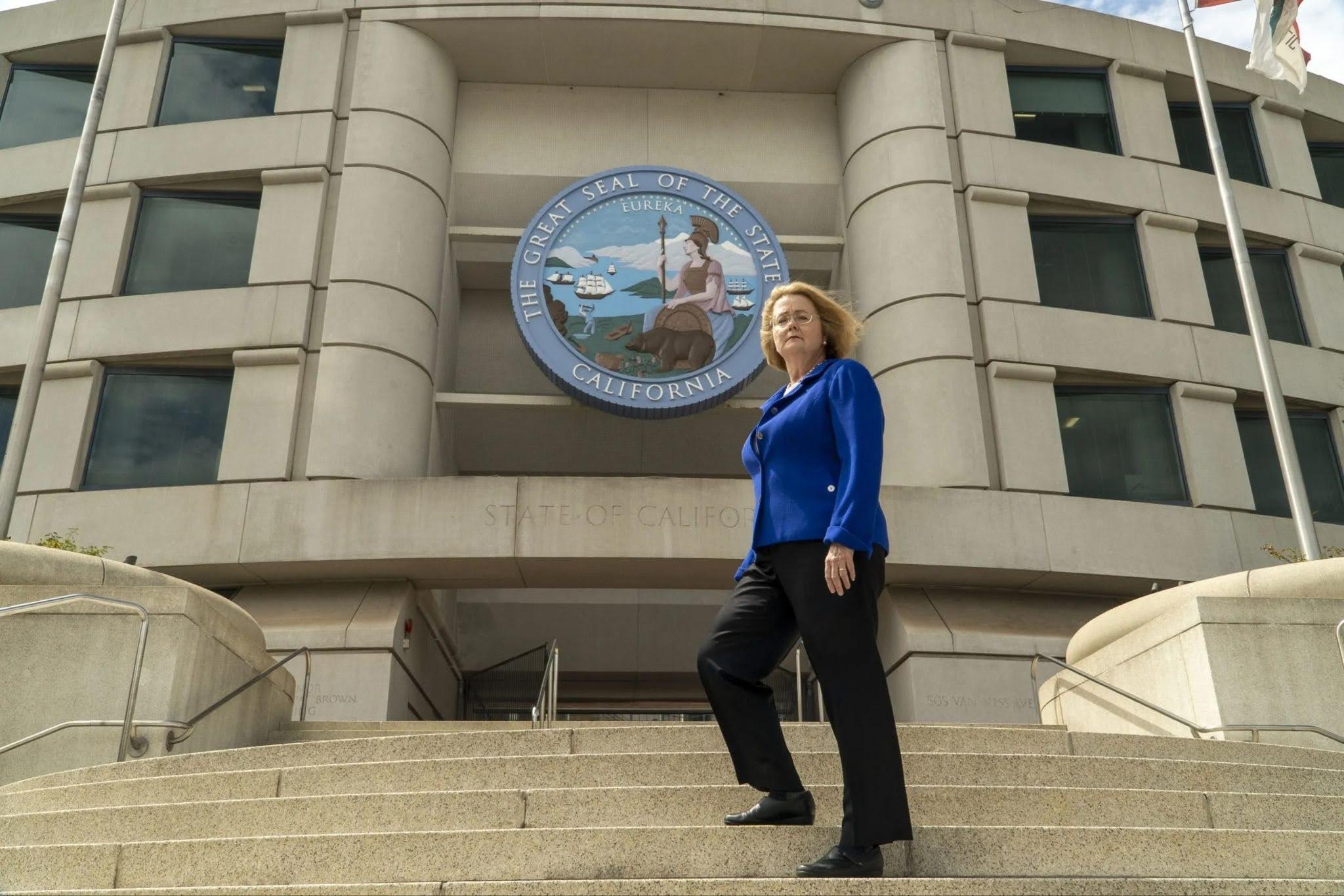
An investigation found the California Public Utilities Commission has withheld 10 years of Uber and Lyft annual safety reports, including sexual assault and harassment complaints, even after voting last August that releasing them served the public interest. The agency has published reports for only two years, both heavily redacted.
- The commission let Uber and Lyft file repeated legal challenges to block disclosure, then cited those challenges as the reason to keep the data secret. A pending Lyft appeal has delayed release again.
- For years staff processed the companies’ massive reports by hand, taking up to nine months per year of data, and never required Uber to correct undercounted assault figures from 2017 to 2021.
- City officials say the secrecy leaves riders and drivers without a clear picture of the risks, even as more than 3,000 assault lawsuits against Uber move through federal court.
QUICK HITS
- TA DoorDash delivery robot wandered into an active SWAT operation in Arizona. – Vice
- Rideshare drivers express concerns with charging infrastructure over costs when it comes to going electric. – Axios
- Uber Eats adds new retail partners. – Seeking Alpha
- For more coverage of the autonomous-vehicle industry, subscribe to The Driverless Digest, Harry’s newsletter and podcast covering robotaxis and AVs.
Must Listen Or Watch RSG Content
Here are this week’s featured podcast episode and YouTube videos:
- RSG269: This $12K EV Could Change Uber Driving Forever With Bingo Tech
- Why Uber Drivers Are Seeing Fewer Trips (Gridwise Data)
- Why Is Uber Fighting Driver Protections?
- Lyft Really Wants Drivers To Accept More Trips
- Make sure you Subscribe so you don’t miss out on future conversations and interviews!